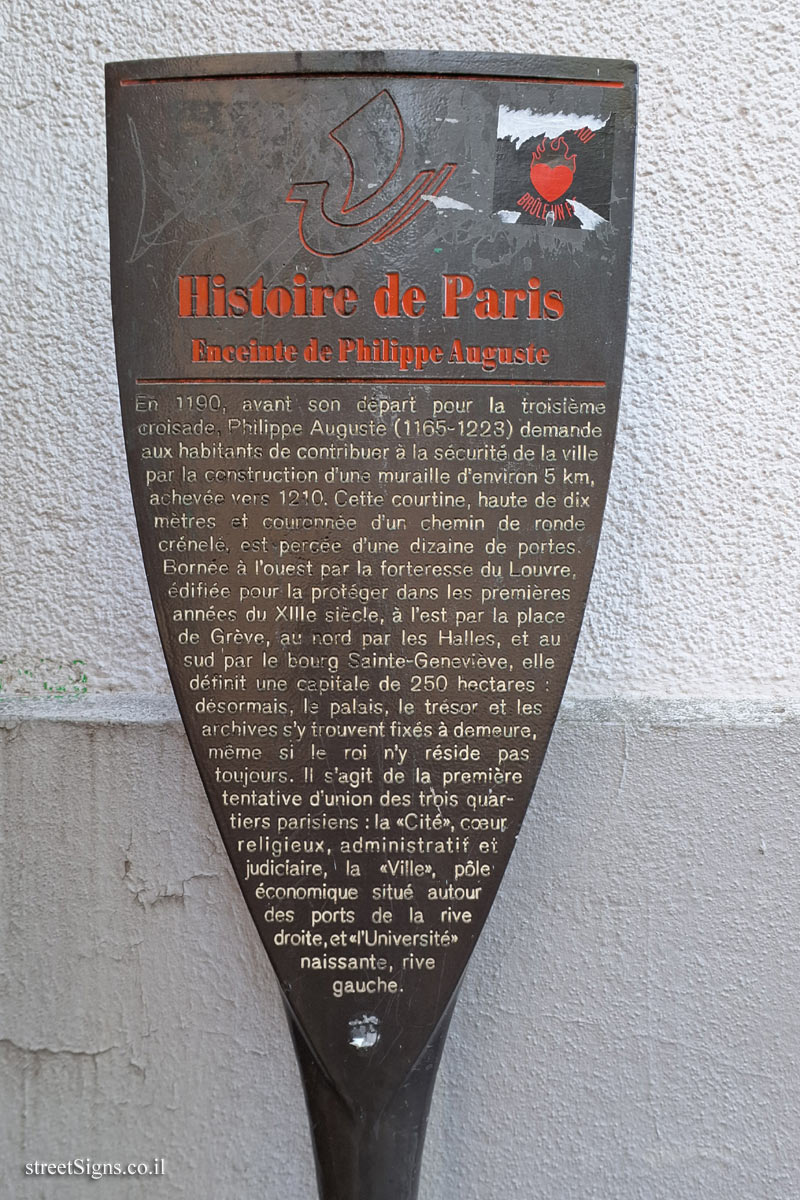
Philippe II Wall (Enceinte de Philippe Auguste): A historic city wall built between 1190 and 1215 at the initiative of King Philip II (Augustus), to protect Paris, among other things from the Anglo-Norman threat, in preparation for his departure for the Third Crusade (1190).
The wall enclosed an area of approximately 250 hectares (about 2.5 km²) and included fortifications on both banks of the Seine
, towers
,
, and gates
.
The wall was approximately 6-9 meters high, and its thickness reached about 4-6 meters. A chemin de ronde, or walkway for the guards, ran along the top of the wall. At the points where the wall met the Seine, four large towers were built
,
,
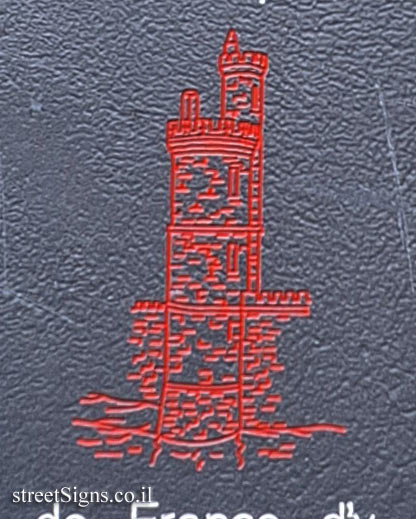
, serving, among other purposes, to monitor traffic on the river. The following image shows one of the towers, which stood approximately 25 meters high (Nesle Tower)
. In addition, there were lower watchtowers along the wall, reaching approximately 15 meters in height.
The wall had 14 main gates that allowed entry into and exit from the city: Saint-Jacques Gate
, Buci Gate
, Saint-Victor Gate
, Saint-Marcel Gate
, and others. Additional gates were opened later, such as Saint-Bernard Gate
and Barbette Gate
.
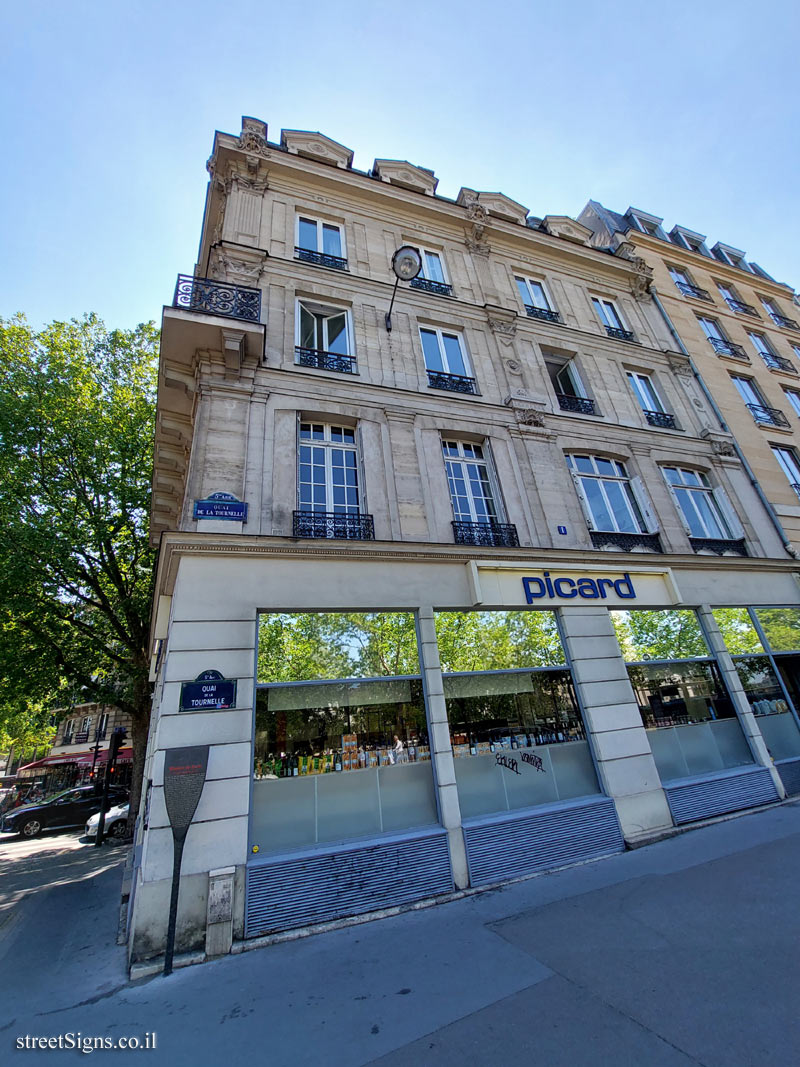
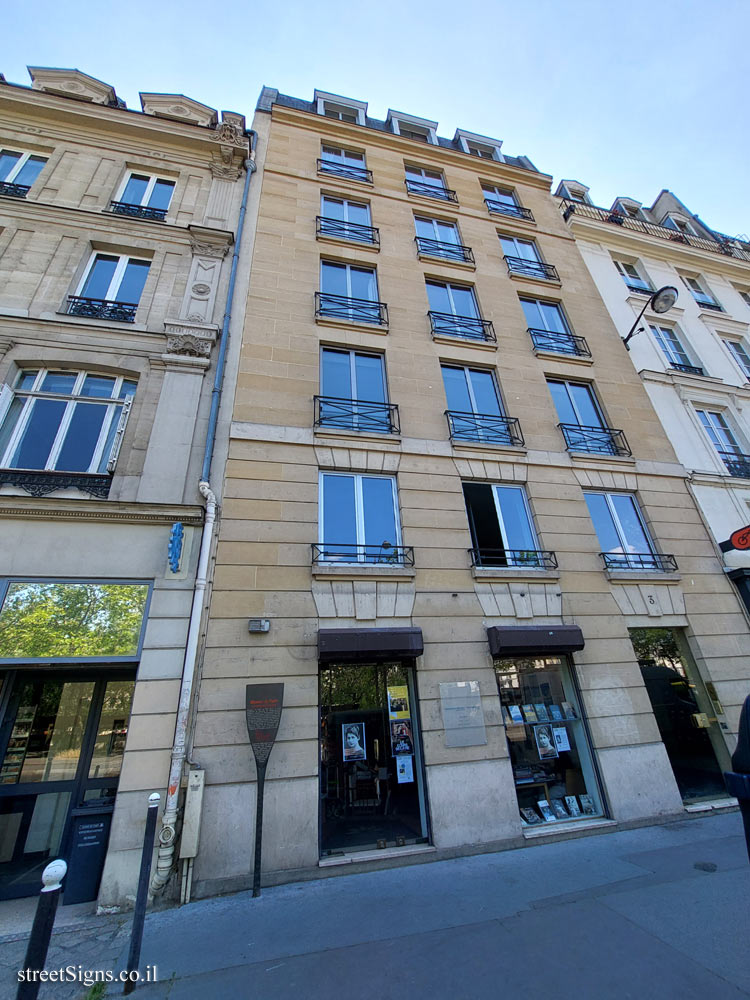
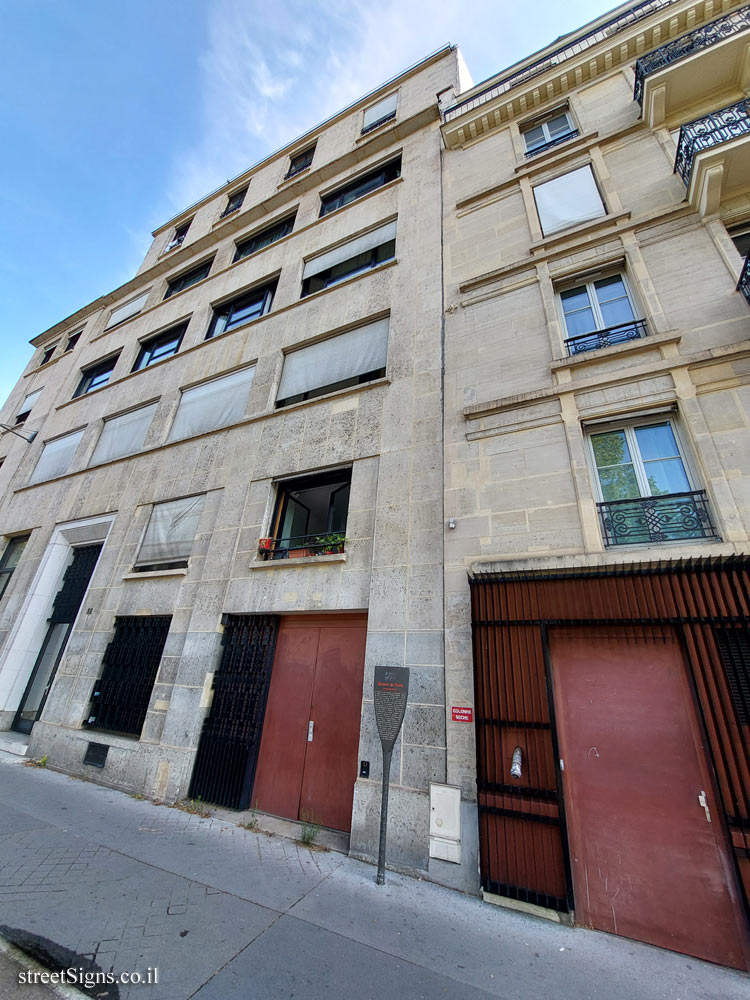
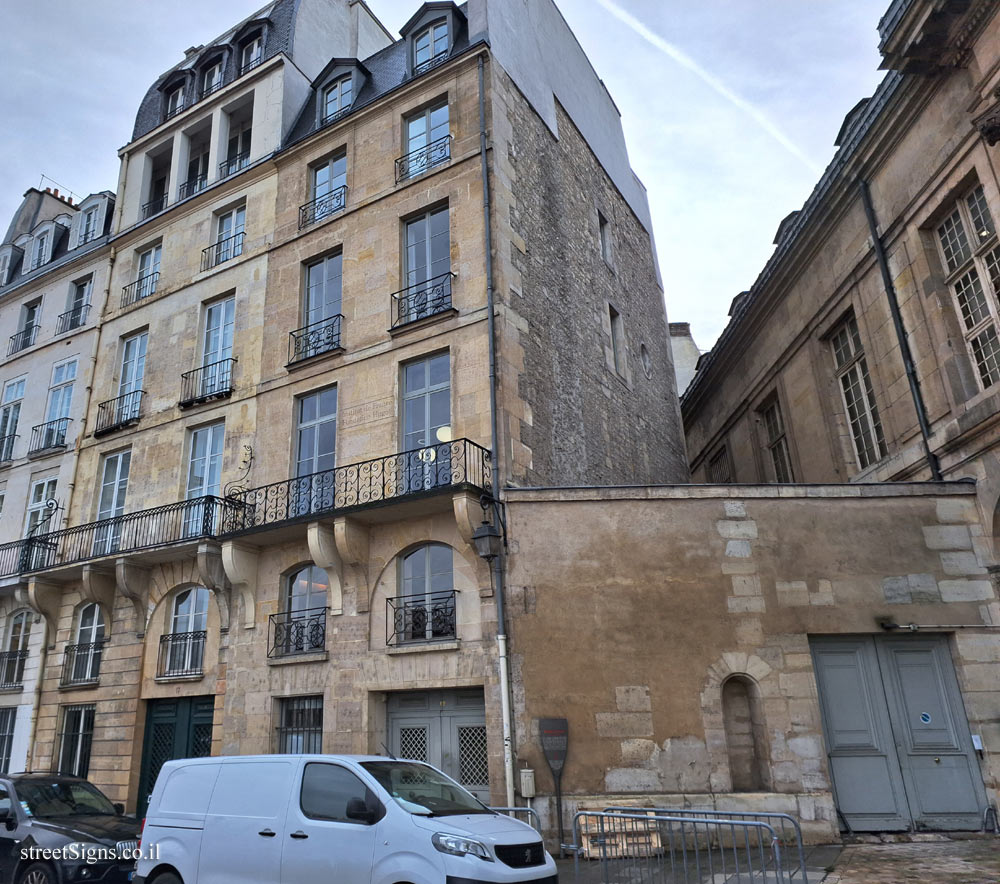
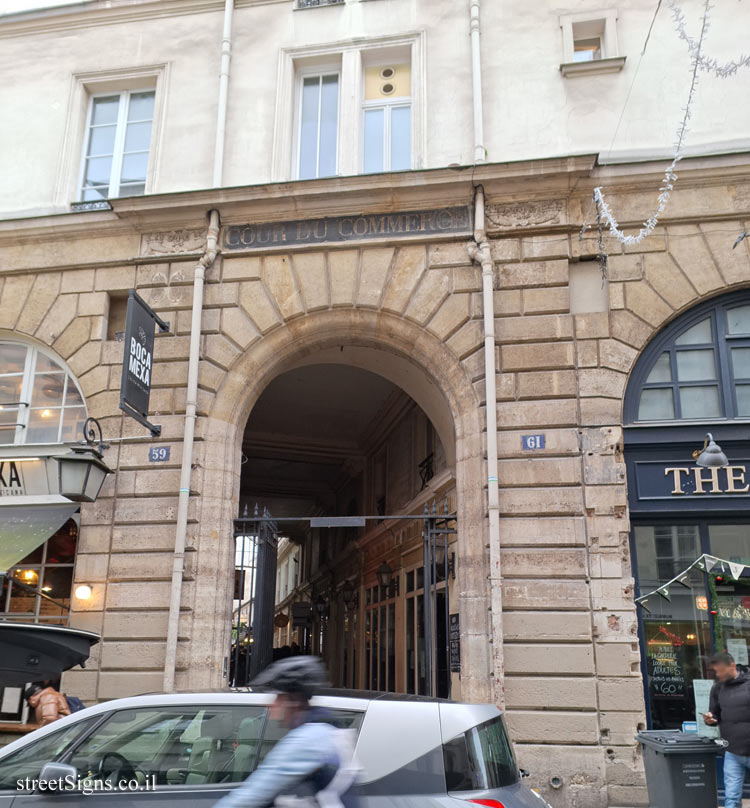
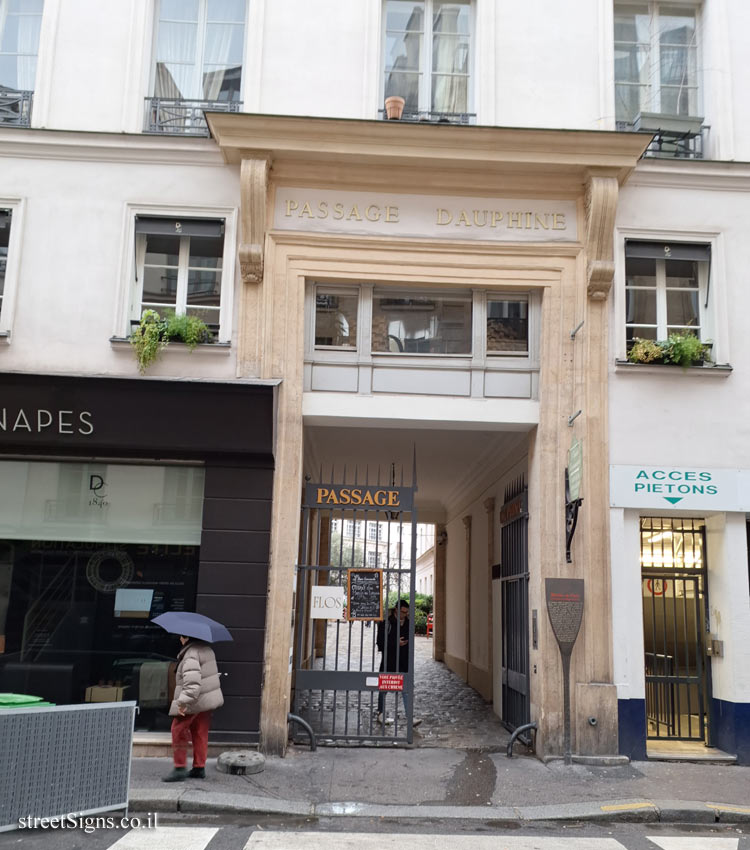
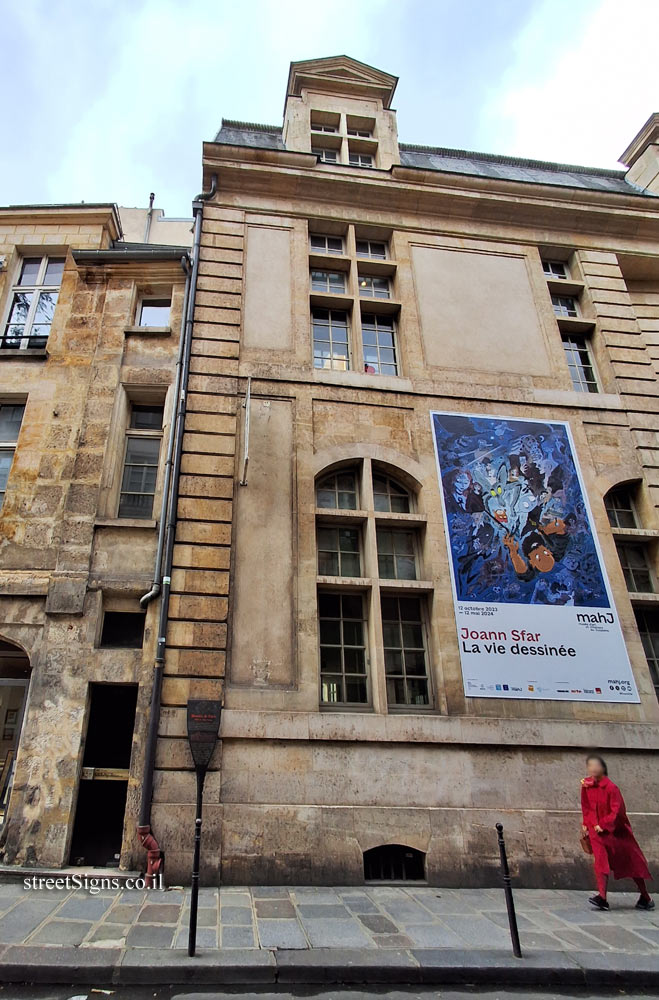
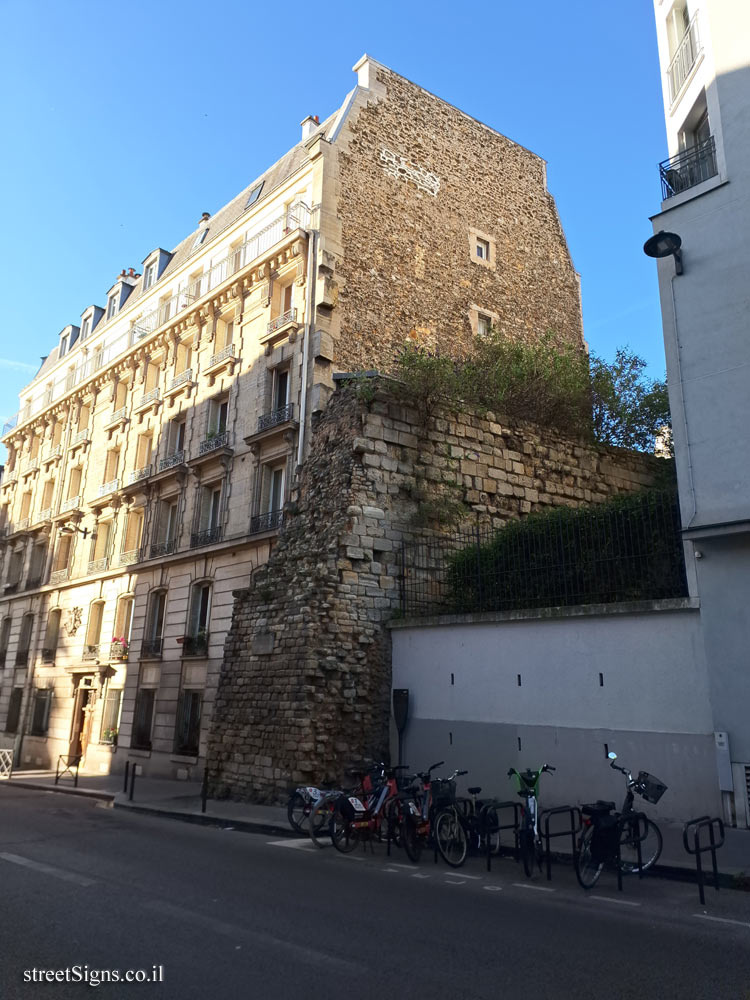
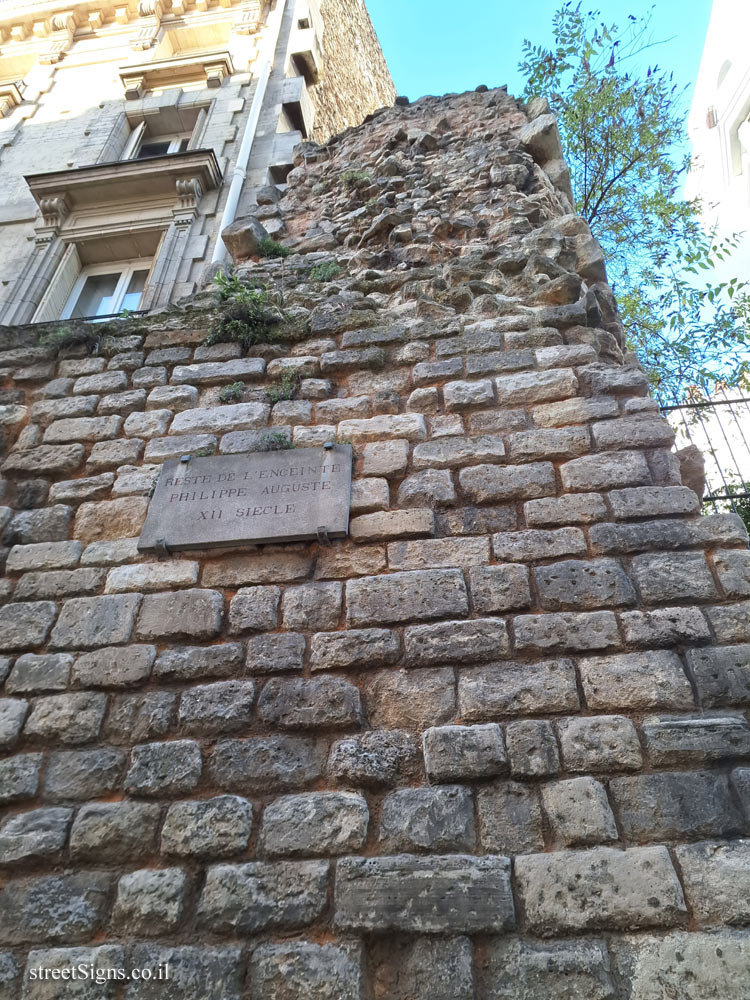
As Paris expanded, the wall gradually lost its military function. In the centuries that fol-lowed, it was incorporated into buildings and demolished in many places. Today, sections and archaeological remains of the wall can still be found in the city’s streets, particularly in the Marais and Latin Quarter
.
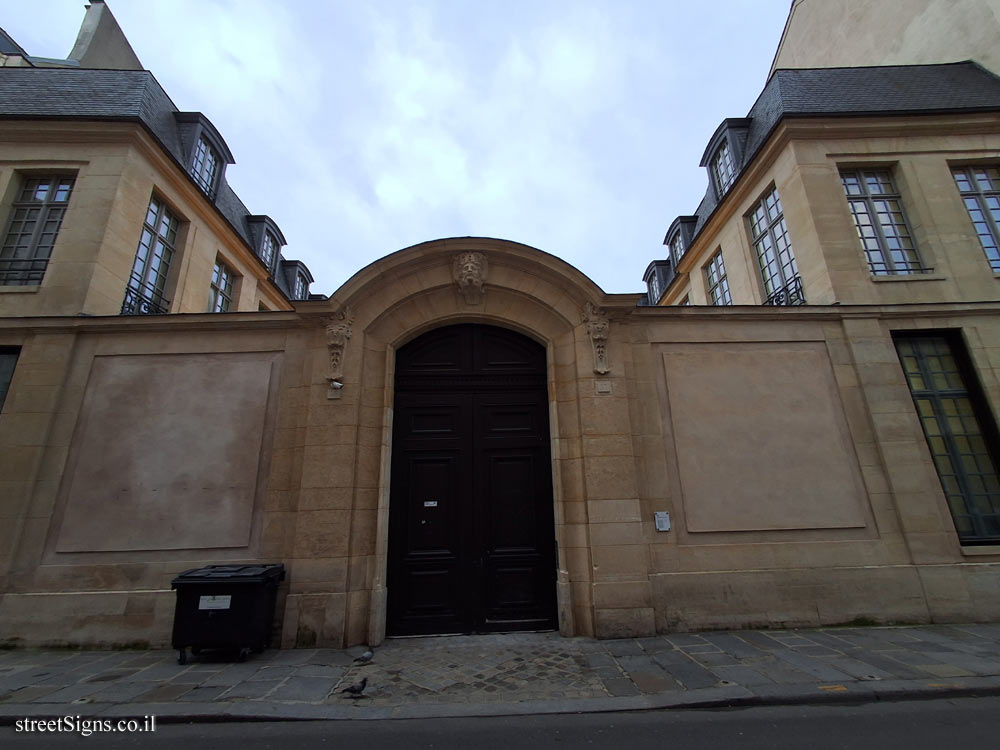
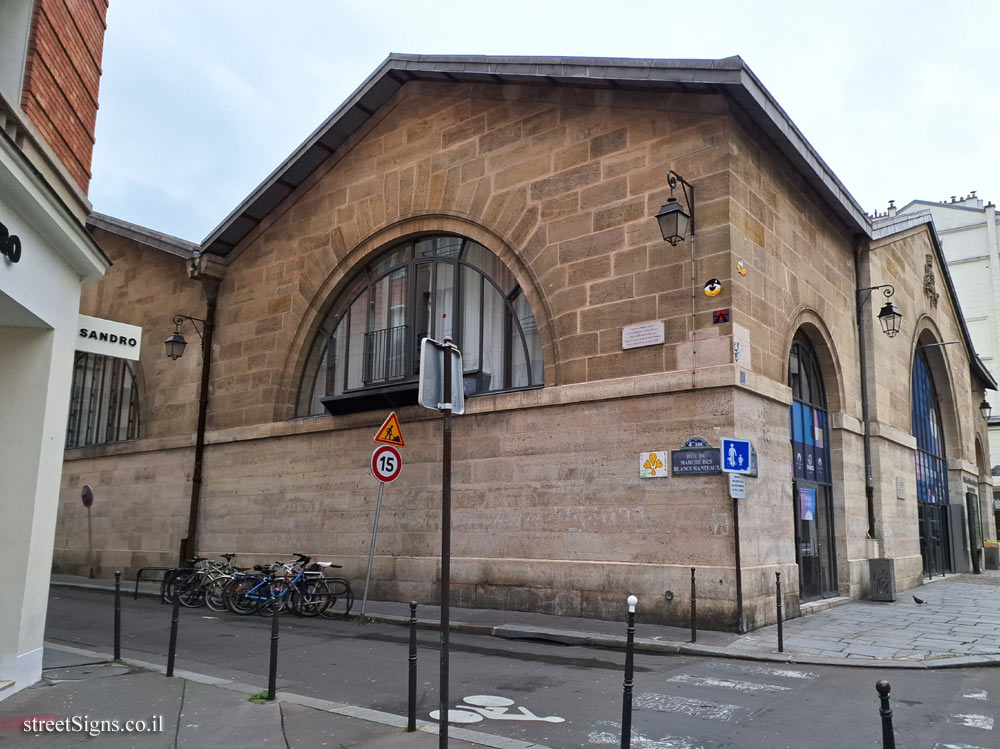
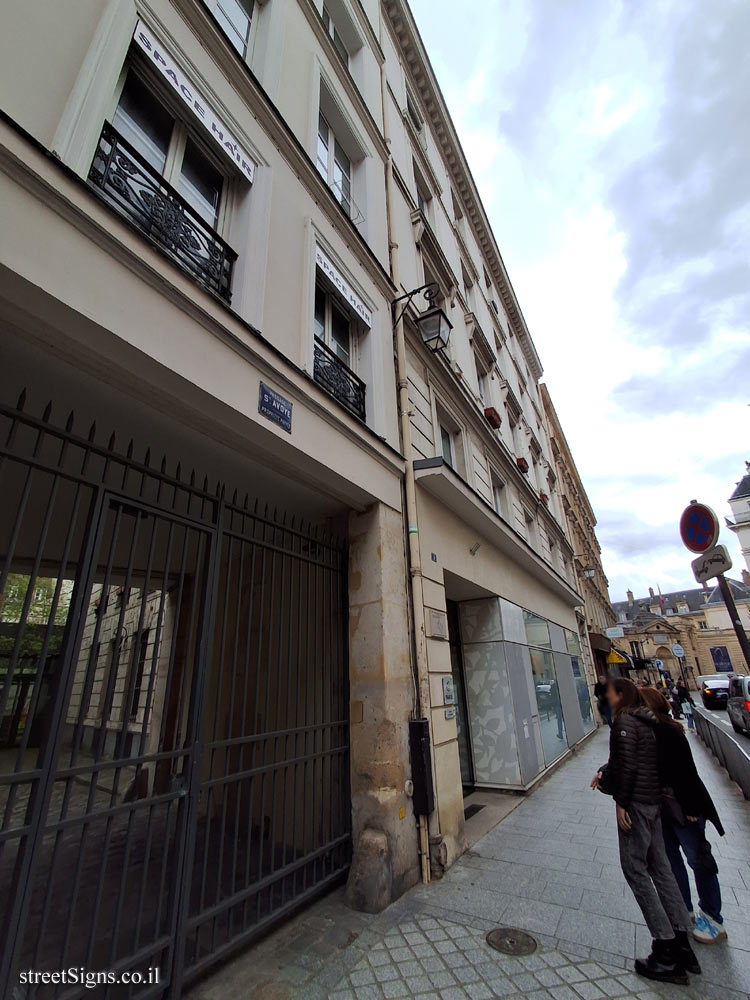
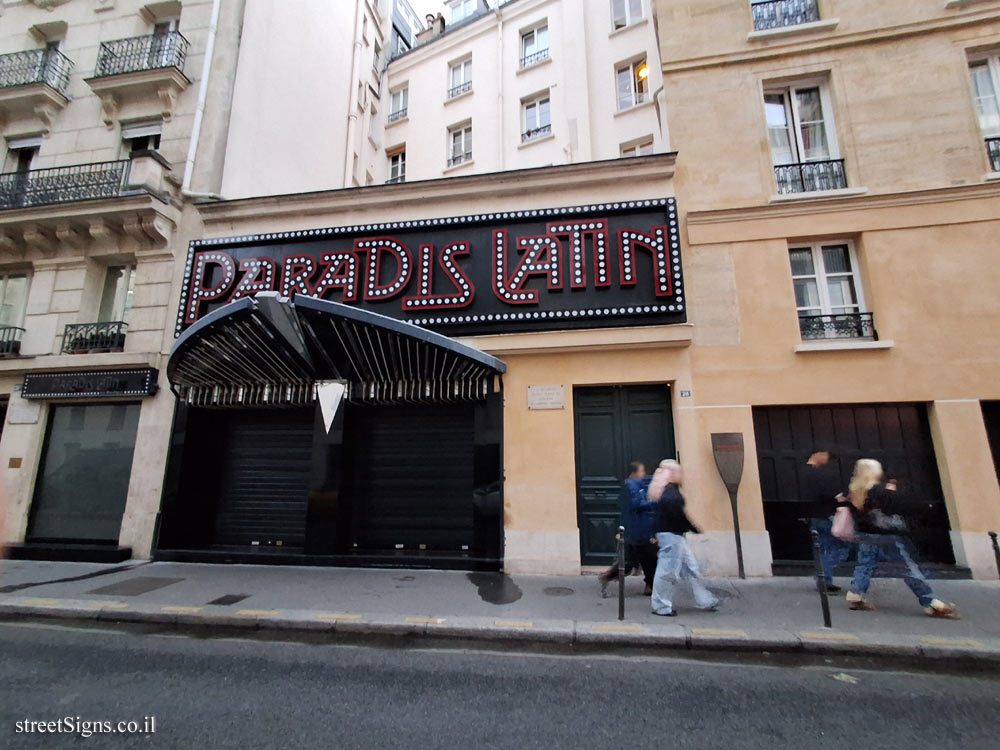
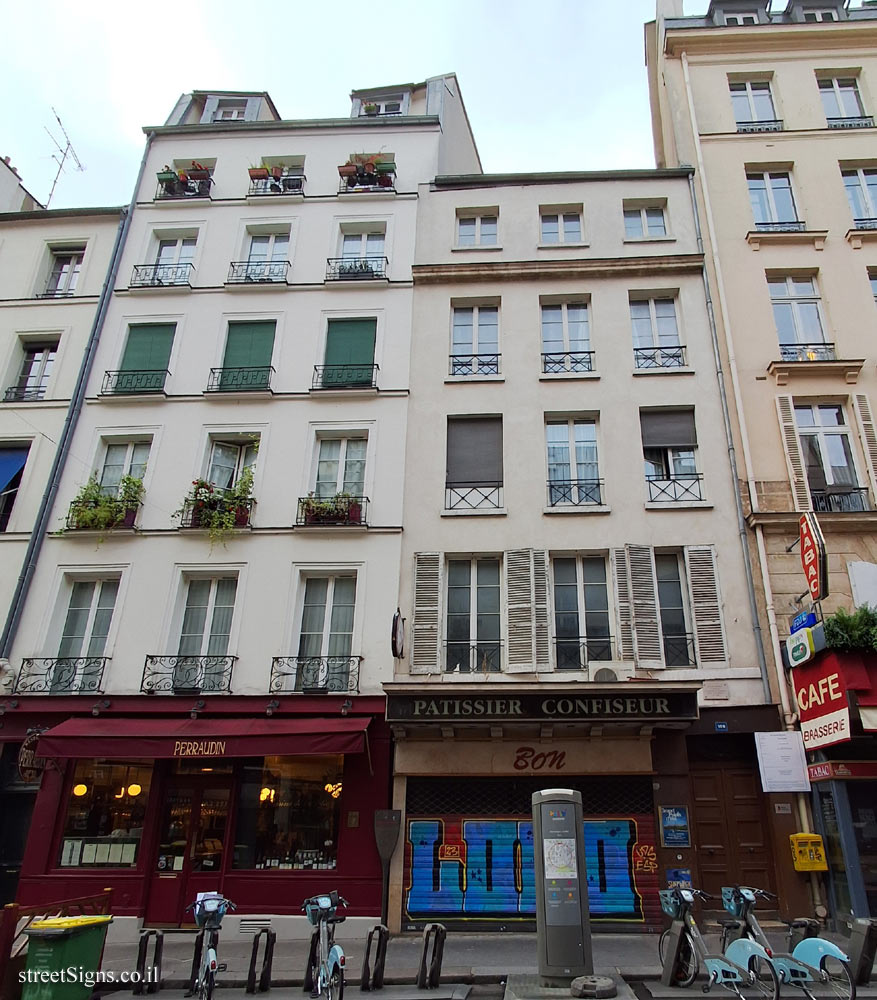
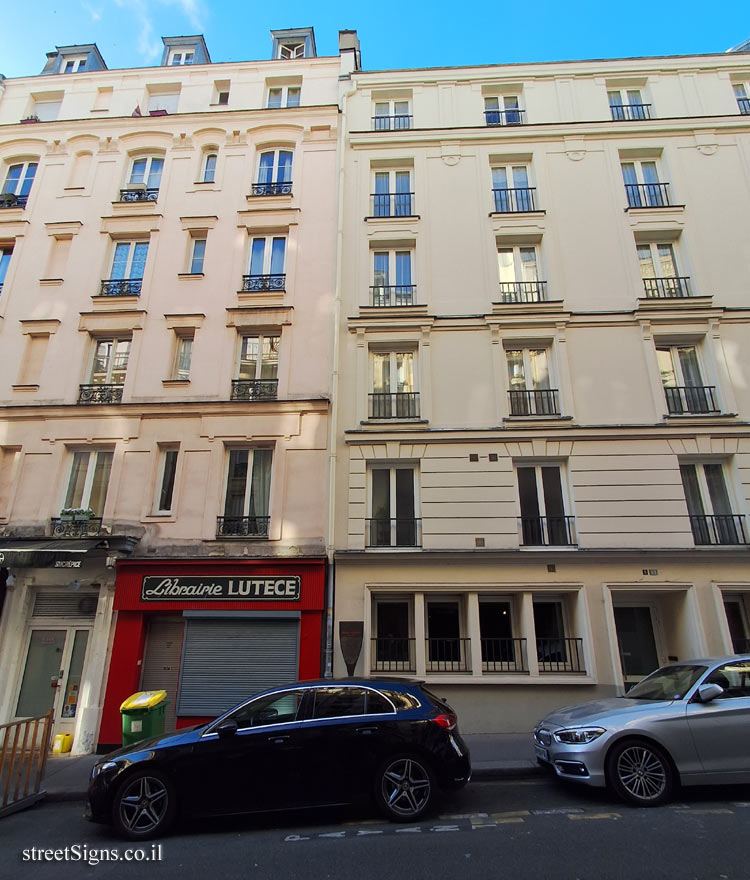
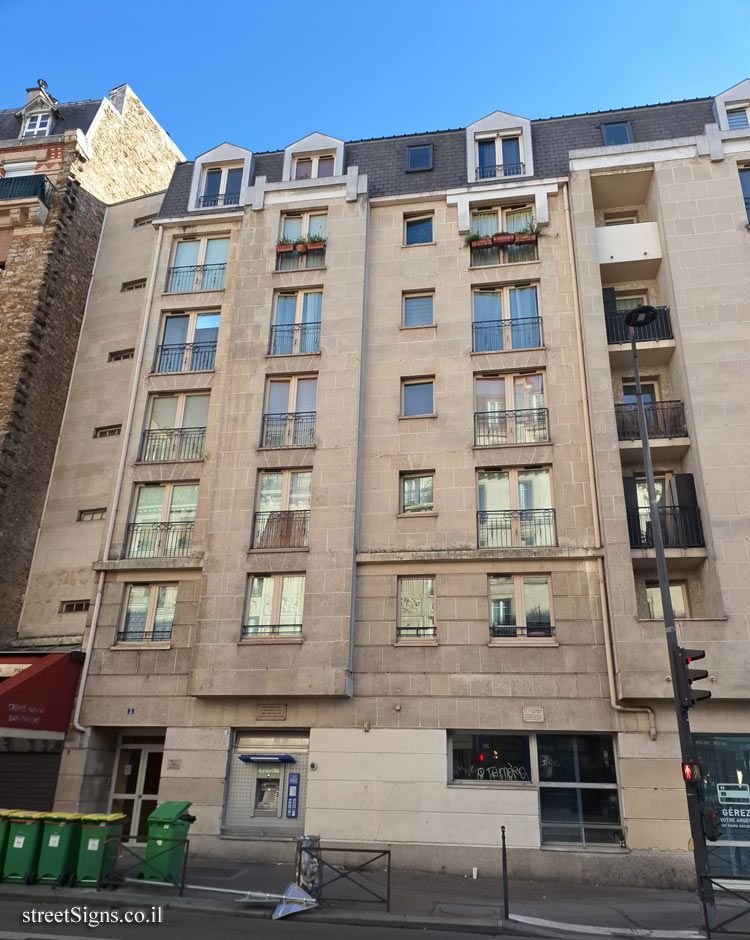
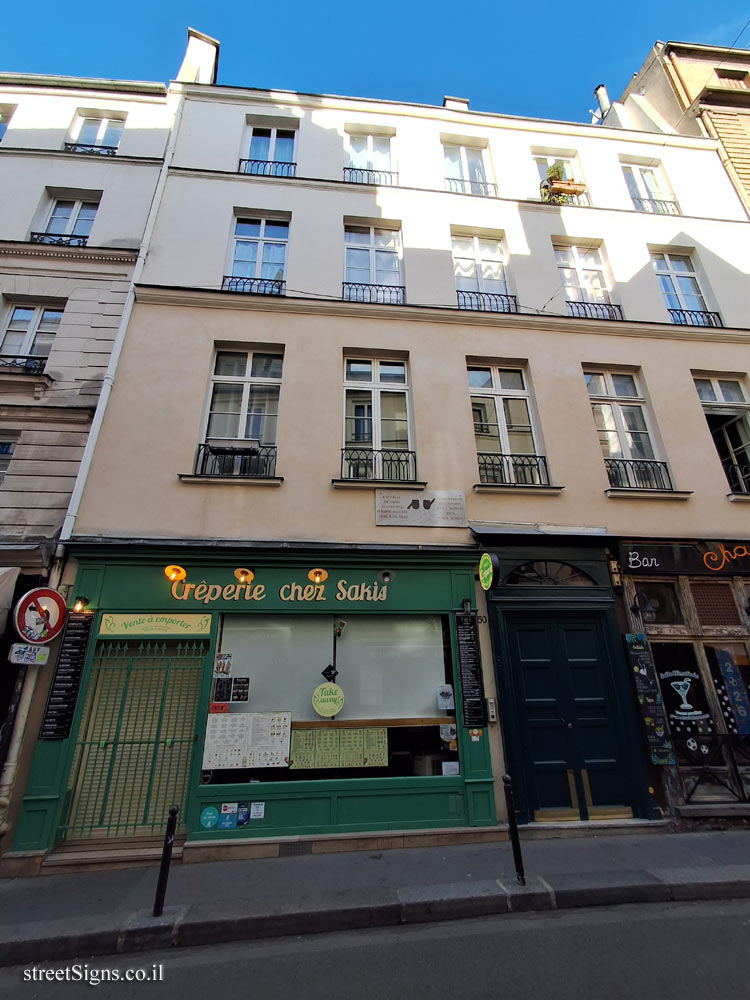
The places on the site that refer to the concept Wall of Philip II Augustus






 Possible Worlds Ltd.
  © 2019-2026

 Click for the map of all signs that include the tag Wall of Philip II Augustus
 Click for the route along the tag Wall of Philip II Augustus