מוזיקה היא אמנות המתבטאת באמצעות צלילים. ימיה של המוזיקה כימי האנושות, כאשר בתחילה המוזיקה נעשתה בעיקר על ידי הקשה באמצעים שונים (אבנים, מקלות וכו’). עם השנים ועם המצאת כלים מוזיקליים נוספים (כלי מיתר
, נשיפה ועוד), התרחב מגוון היצירות המוזיקליות וכמובן גם מורכבותן.
מוזיקה מחולקת לסוגים שונים, חלקם יפורט כאן:
מוסיקה קלאסית יש המכנים אותה "מלכת המוזיקה", יצירות שהחלו בימי הביניים וממשיכים עד ימינו, כאשר בתחילה הולחנו היצירות בעיקר לטכסים דתיים (מיסות, תפילות אשכבה, תפילות וכו’). על מנת שניתן יהיה לבצע את היצירה על ידי נגנים שונים, היה הכרח בסימון הצלילים, אורכם, עוצמתם ופרמטרים נוספים. הכרח זה יצר את כתב התווים (בערך במאה ה- 16), שלא עבר שינויים משמעותיים עד ימינו. באמצעות כתב זה ניתן לרשום יצירות לכלים שונים, ואף לתזמורת שלמה
.
חלוקה גסה מאוד של סוגי המוזיקה הקלאסית היא כזו המלווה את קול האדם, או כזו המתבצעת בכלים מוזיקליים בלבד.
המוזיקה הכלית יכולה לכלול יצירות לכלי אחד (סונטות לפסנתר, לכינור וכו’), יצירות לכמה כלים (שלישיות לפסנתר, כינור וצ’לו וכו’) ויצירות לתזמורת שלמה.
במוזיקה המלווה את קול האדם מככבת האופרה, בה עלילה מומחזת, עם שירים (אריות), קטעי ביניים קוליים (רצ’יטטיבים) כאשר את כולם מלווה תזמורת של עשרות כלים. כן ניתן לכלול שירים המלווים בכלי אחד (בדרך כלל פסנתר) או יותר. ראויים לציון השירים של שוברט (לידרים), שכתב יותר מ- 600 שירים של משוררים ידועים
להלן יצויינו גורמים הקשורים למוסיקה הקלאסית: מלחינים, מנצחים, מבצעים ועוד.
מלחינים בלעדיהם לא הייתה מוזיקה כלל. (המלחינים מופיעים לפי תאריך לידתם, בנוסף מצויינת ארץ לידתם)
ז’אן בטיסט לולי (1632-1687) צרפת
| 6875| פריז – הבית בו התגורר
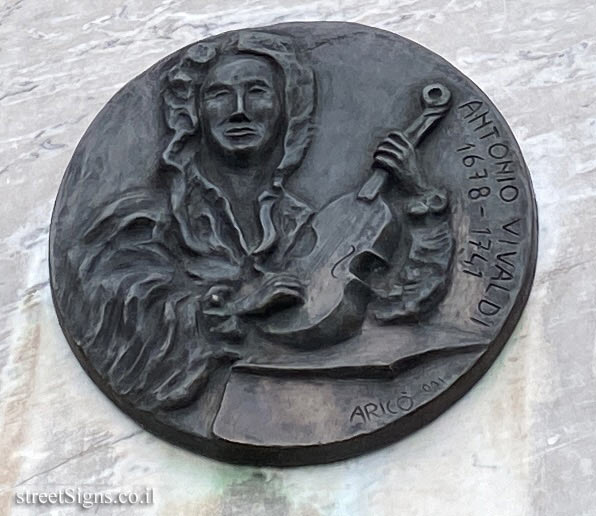
אנטוניו ויואלדי (1678-1741) איטליה
וינה – פסל המוקדש למלחין,
וינה – המלון בו שהה,
וינה – מקום קבורתו
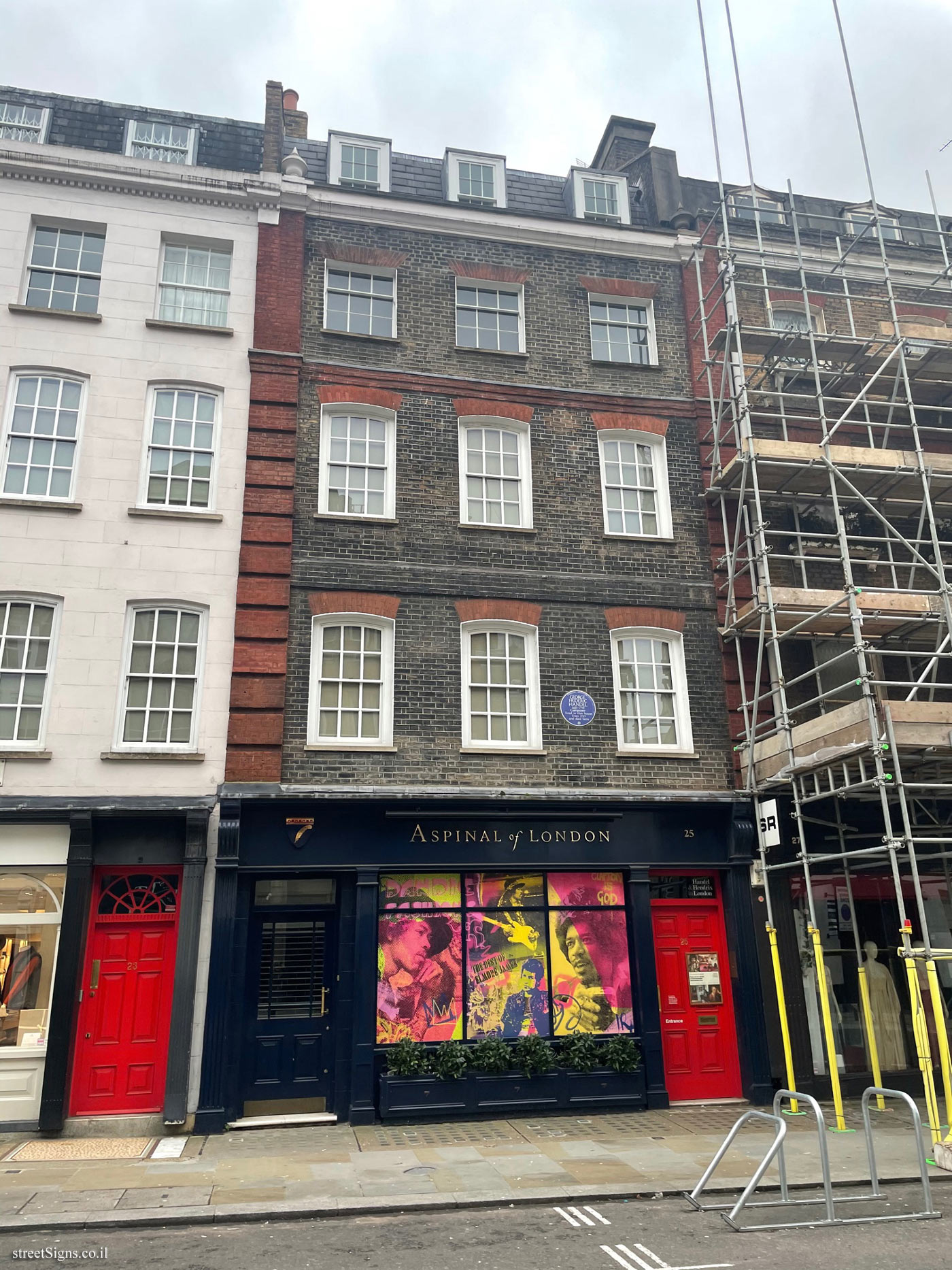
גאורג פרידריך הנדל (1685-1759) גרמניה
לונדון – אחד מהבתים בהם התגורר המלחין, משנת 1723 ועד מותו.
כריסטוף וילבלד גלוק (1714-1787) גרמניה
וינה – פסל המוקדש למלחין.
וולפגנג אמדאוס מוצרט (1756-1791) אוסטריה
וינה – אנדרטת מוצרט
לודוויג ואן בטהובן (1770-1827) גרמניה
- לונדון - ביצוע הבכורה של הסימפוניה התשיעית
תל אביב – התווים של הסימפוניה החמישית
פרנץ שוברט (1797-1828) אוסטריה
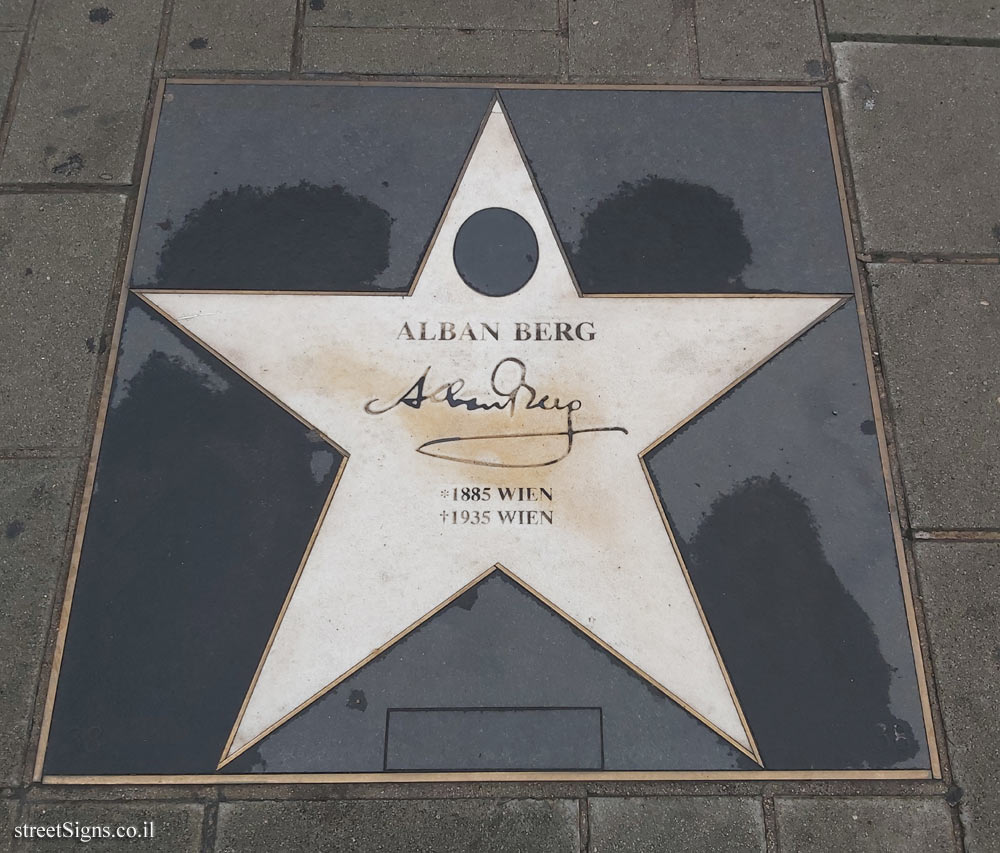
וינה – מסלול התהילה
וינה – אנדרטת שוברט
הקטור ברליוז (1803-1869) צרפת
לונדון – הבית בו התאכסן המלחין בשנת 1851
חואן אריאגה (1806-1826) ספרד
פריז – הבית בו מת
פרדריק שופן (1810-1849) פולין
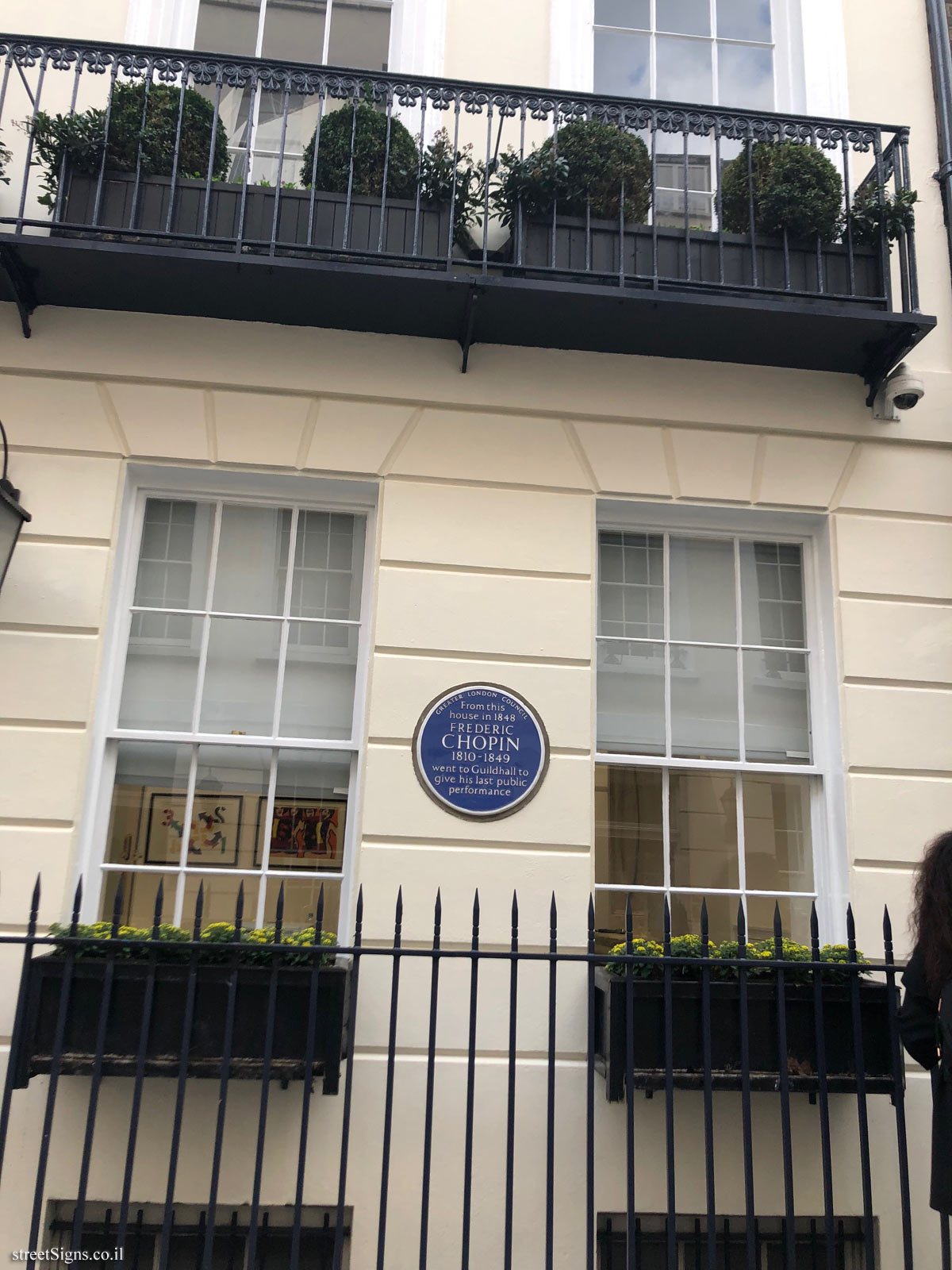
לונדון – הקונצרט האחרון של שופן
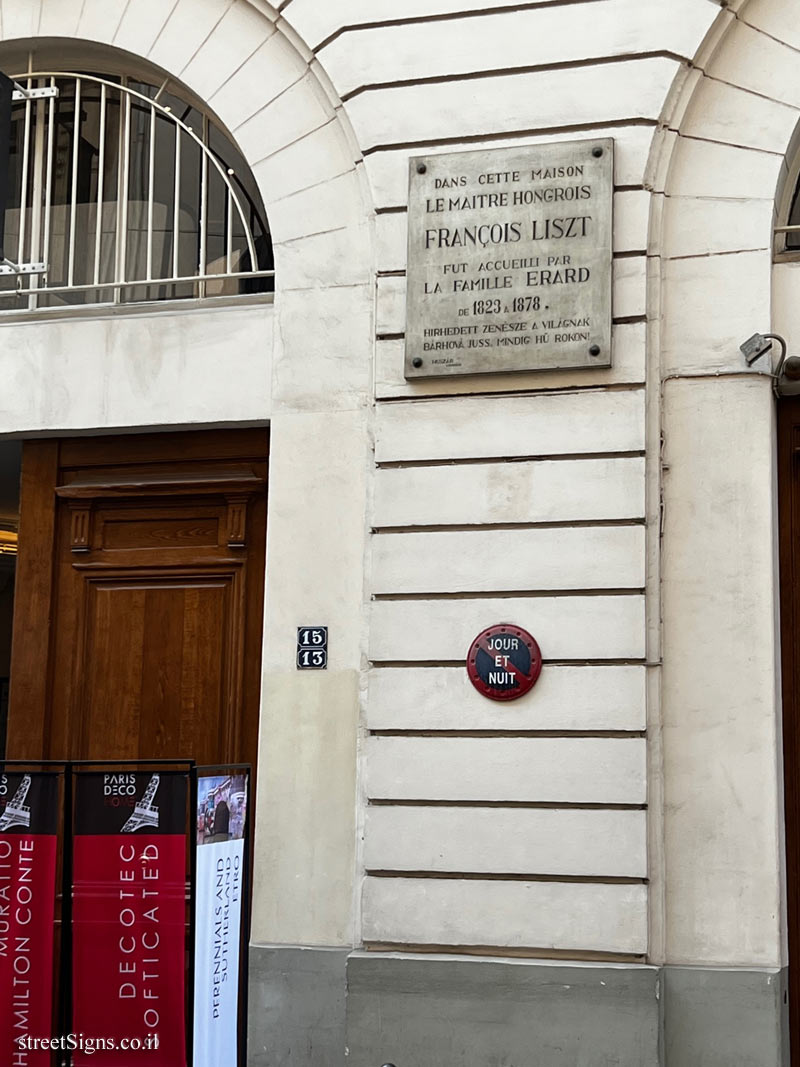
פרנץ ליסט (1811-1886) הונגריה
פריז – הבית בו התגורר כאשר היה בפריז.
ריכרד וגנר (1813-1883) גרמניה
וינה – המלון בו התאכסן בזמן ביצוע האופרות שלו בעיר
פריז - בשנת 1860 הגיע וגנר לפריז כדי לפקח על הפקה חדשה של האופרה "טנהויזר", זה הבית בו התגורר
שארל גונו (1818-1893) צרפת
פריז – הבית בו נולד
ז’אק אופנבך (1819-1880) גרמניה
פריז – המקום בו כתב את "סיפורי הופמן" ובו הלך לעולמו.
יוהאן שטראוס (1825-1899) אוסטריה
וינה – המקום בו למדו האחים יוהאן ויוזף שטראוס
יוהנס ברהמס (1833-1897) גרמניה
וינה - אנדרטת יוהנס ברהמס,
וינה – מסלול התהילה
אנטונין דבוז’אק (1841-1904) צ’כיה
וינה – המלון בו שהה
לאוש יאנאצ’ק (1854-1928) צ’כיה
וינה – הבית בו התארח
אדוארד אלגר (1857-1934) בריטניה
לונדון – אולפני אבי רוד בהם הוקלט המלחין
מוריס ראוול (1875-1937) צרפת
פריז – הבית בו התגורר
בלה בארטוק (1881-1945) הונגריה
לונדון – הבית בו התגורר בזמן שהותו בעיר
לונדון - פסל של בלה ברטוק, סמוך לבית בו התגורר. זו דמותו על הפסל
אלבן ברג (1885-1935) אוסטריה
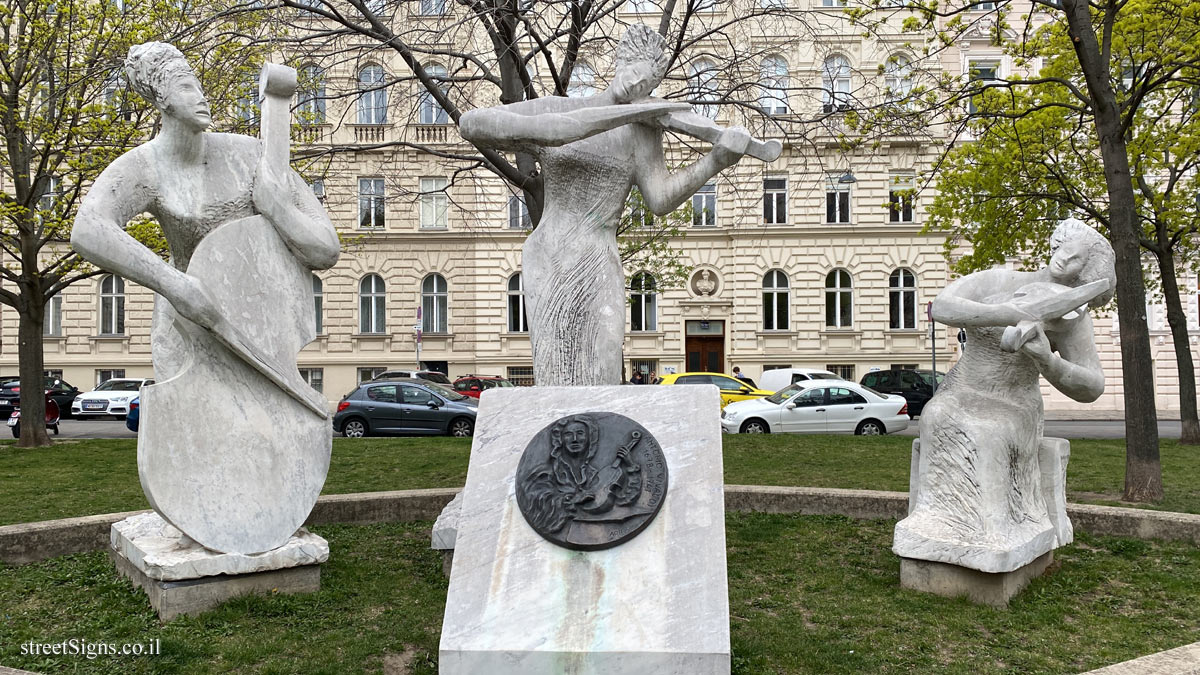
וינה – אנדרטת אלבן ברג
מנצחים ידועים נוהגים את התזמורת, פרשנותם ליצירות יכולה להוסיף ערך ליצירה המקורית (המנצחים מופיעים לפי תאריך לידתם, בנוסף מצויינת ארץ לידתם)
ארטורו טוסקניני (1867-1957) איטליה
וינה
סר תומאס ביצ’ם (1879-1961) בריטניה
לונדון, הבית בו התגורר
וילהלם פורטוונגלר (1886-1954) גרמניה
וינה מסלול התהילה
הנס קנאפרטסבוש (1888-1966) גרמניה
וינה
קלמנס קראוס (1893-1954) אוסטריה
וינה
קרל בהם (1894-1981) אוסטריה
וינה
הרברט פון קאראיאן (1908-1989) אוסטריה
וינה – כיכר הקרויה על שמו, וינה מסלול התהילה
לאונרד ברנשטיין (1918-1990) ארצות הברית
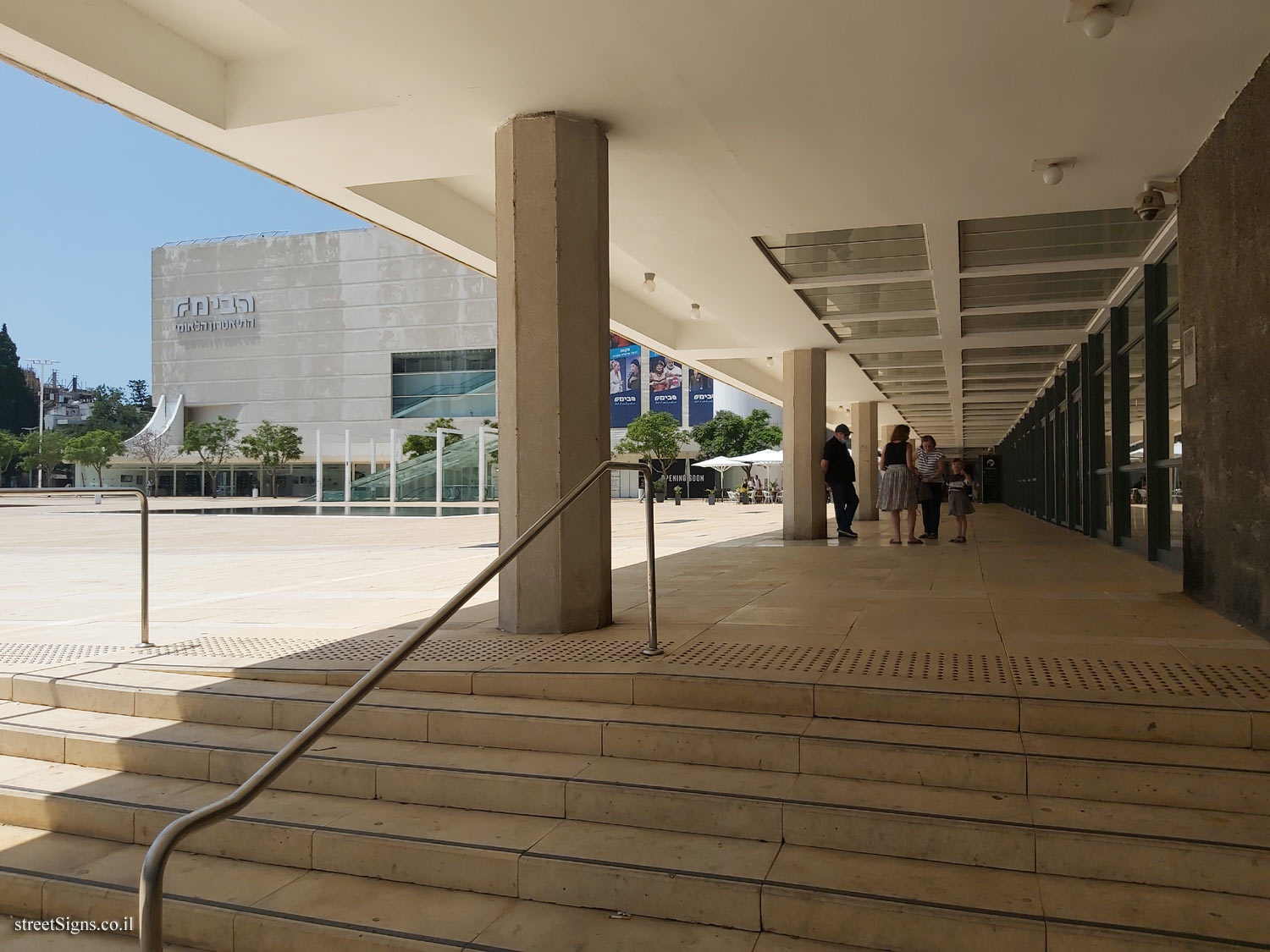
תל אביב – רחבת לאונרד ברנשטיין
אמנים הם אלה שמוציאים לפועל את יצירות המלחין (האמנים מופיעים לפי תאריך לידתם, בנוסף מצויינת ארץ לידתם והכלי בו הם מתמחים)
קתלין פרייר (1912-1953) בריטניה, קול
לונדון – המקום בו התגוררה
ליאוני ריזאנק (1926-1998) אוסטריה, קול
וינה
ז’קלין דה פרה (1945-1987) בריטניה, צ’לו
- לונדון – הבית בו התגוררה
קן ססאקי (1943-1991) יפן, פסנתר
פריז – הבית בו התגורר
וינה – בירת המוזיקה ללא ספק וינה, בירת אוסטריה יכולה להחשב כבירת המוזיקה הקלאסית. נוסף לעובדה שבעיר זו נולדו מלחינים רבים (שוברט, יוהאן שטראוס, שנברג ועוד), מכל רחבי אירופה נהרו אליה גדולי המלחינים, בה התגוררו ובה כתבו את יצירותיהם הגדולות, ובה גם סיימו את חייהם (מוצרט, בטהובן ועוד).
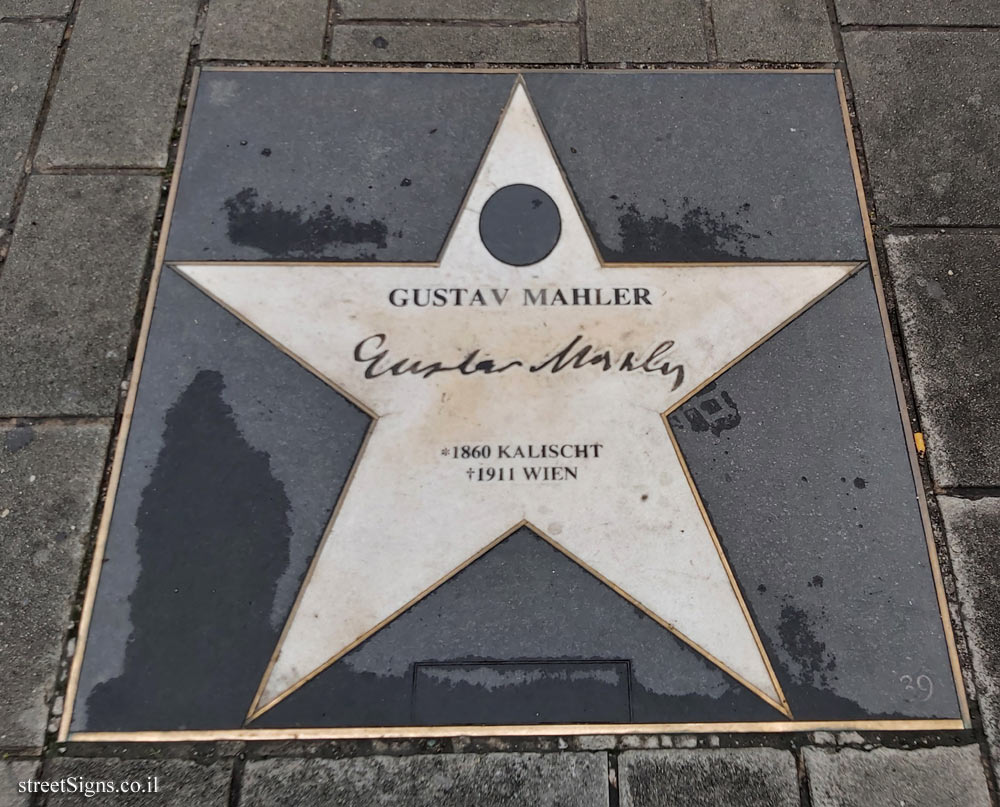
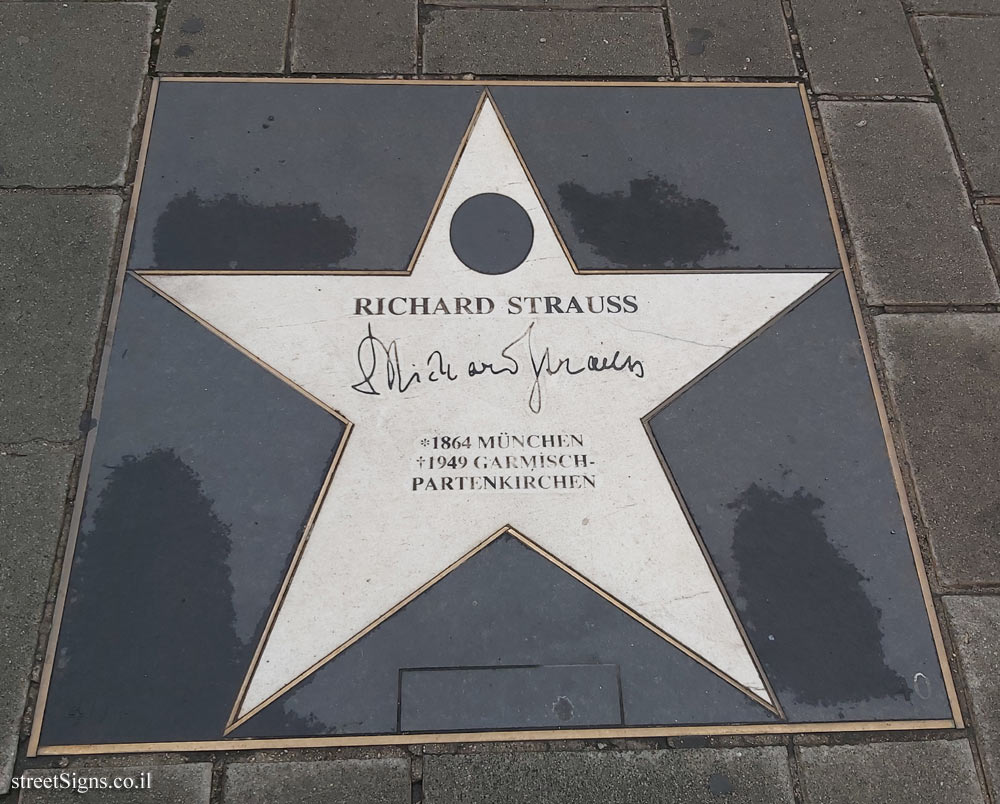
העיר וינה הוקירה את המוזיקאים שפעלו בתחומה, ובשנת 2001 השיקה את "מסלול התהילה" בו מונצחים מלחינים ומנצחים ידועים:
אלבן ברג,
גוסטב מאהלר,
ריכרד שטראוס,
קלמנס קראוס,
קרל בהם,
ג’וזפה ורדי,
ליאוני ריזאנק,
הנס קנאפרטסבוש,
הרברט פון קאראיאן,
אנטון וברן,
יוהאן שטראוס (הבן),
הפילהרמונית של וינה,
יוהאן סבסטיאן באך,
פייר בולז,
ארטורו טוסקניני,
אלכסנדר זמלינסקי,
פאול הינדמית,
ארנולד שנברג,
יוהנס ברהמס,
אנטון ברוקנר,
וילהלם פורטוונגלר,
פרנץ שוברט
פופ, רוק מוזיקה שפרחה במיוחד בין השנים 1960-1980, בעיקר בבריטניה ובארצות הברית. בסוג זה של מוזיקה קיימים זרמים רבים: רוק כבד, רוק מתקדם ועוד רבים. המוזיקה מבוצעת על ידי להקות המונות בדרך כלל עד 5 חברים, או על ידי סולנים או צמדים. בסוג זה של מוזיקה שולטים בעיקר כלי מיתר (גיטרות), ותופים.
ניו יורק – The Bitter End – מועדון הרוק הוותיק בעיר
בי ג’יז בריטניה
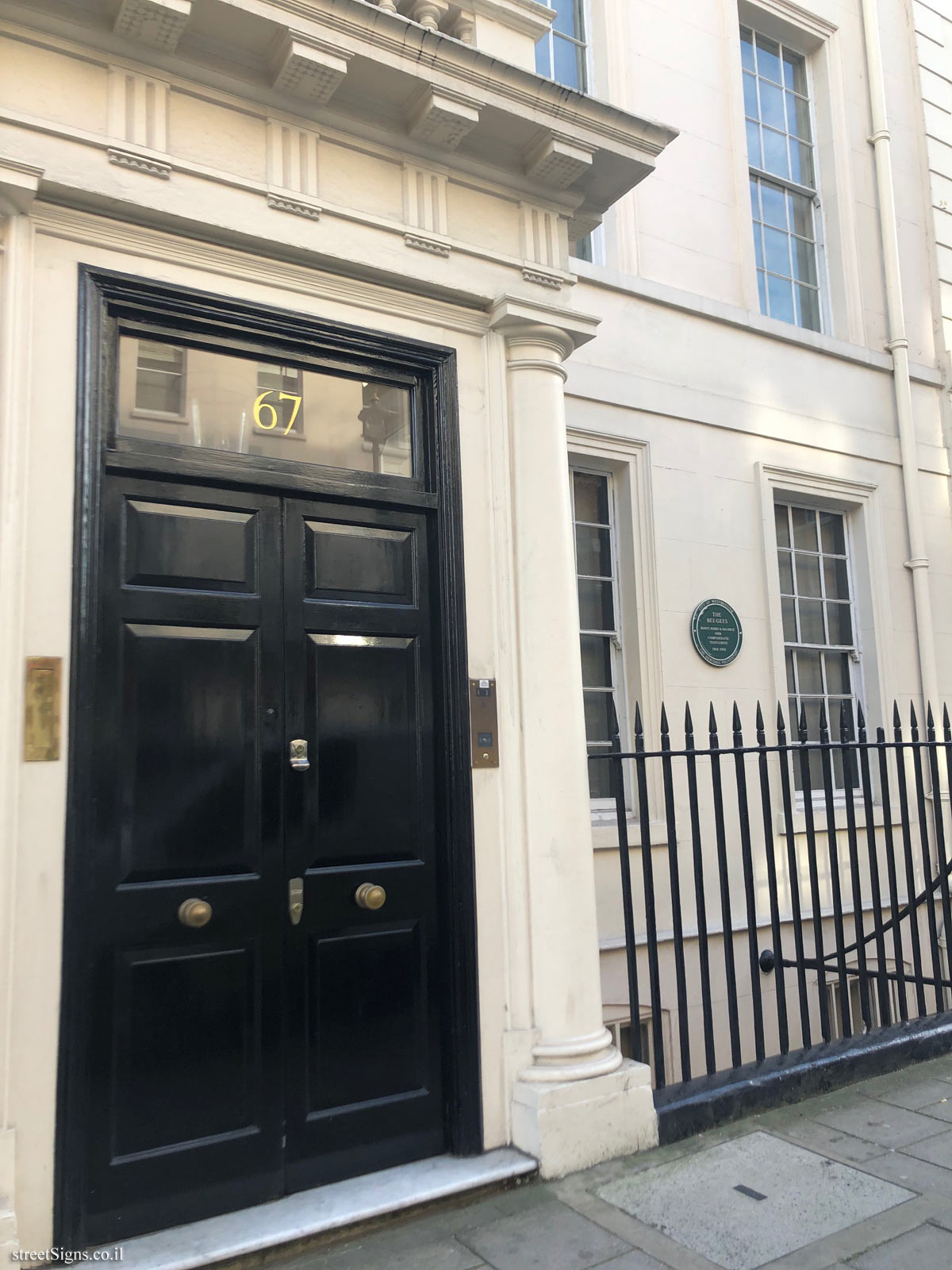
לונדון – המקום בו שהו ועבדו חברי להקת הבי ג’יז
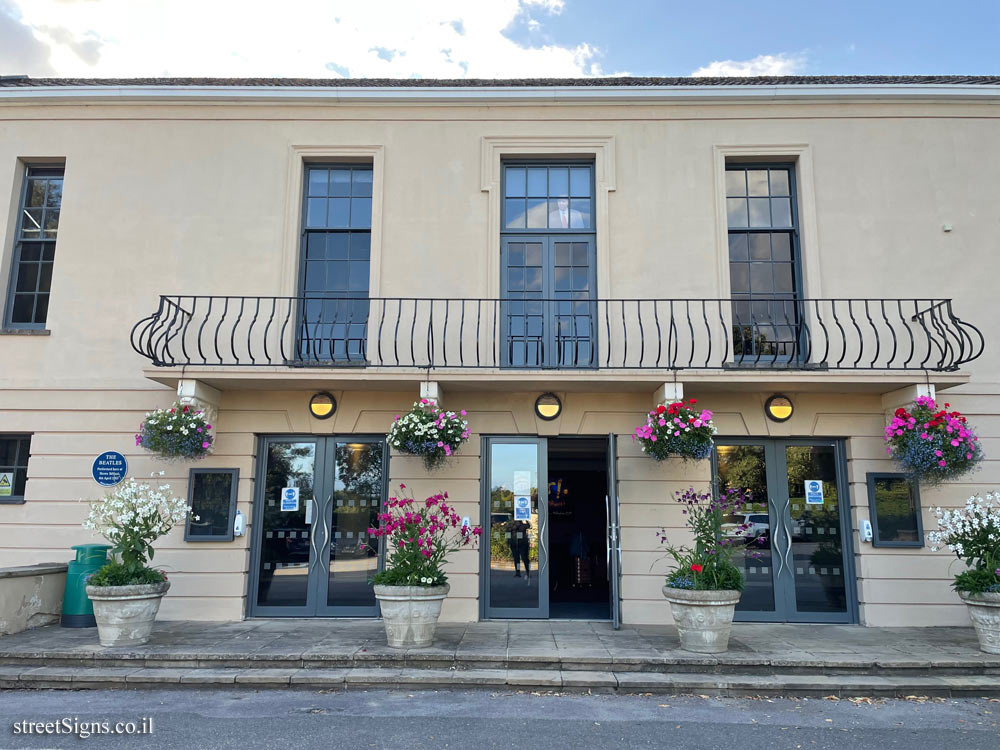
הביטלס בריטניה
רמת גן – צוללת צהובה
בקינגהאם – הופעה בבית ספר לבנים בשנת 1963
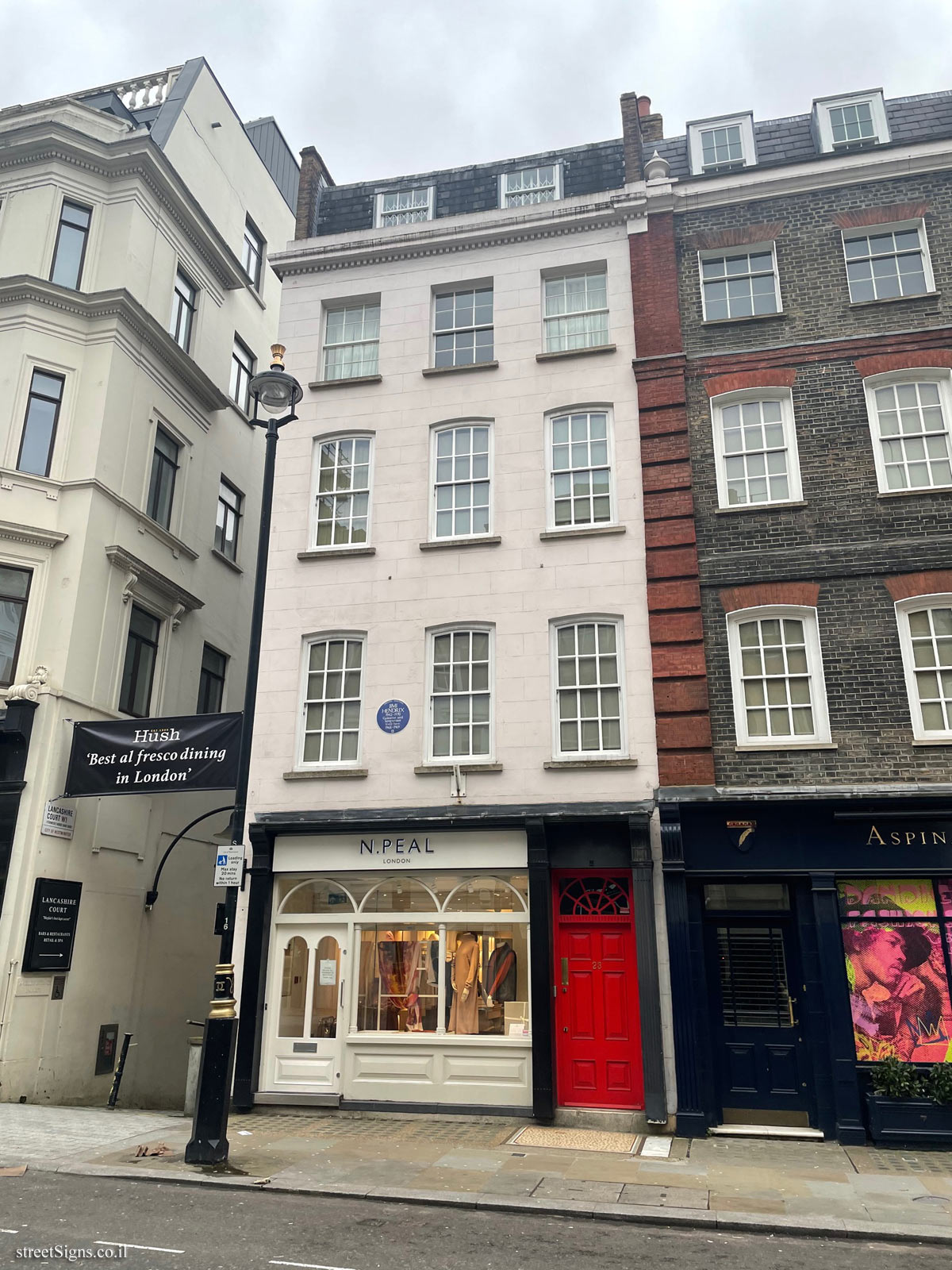
ג’ימי הנדריקס ארצות הברית
לונדון – הבית בו התגורר בזמן שחי בלונדון.
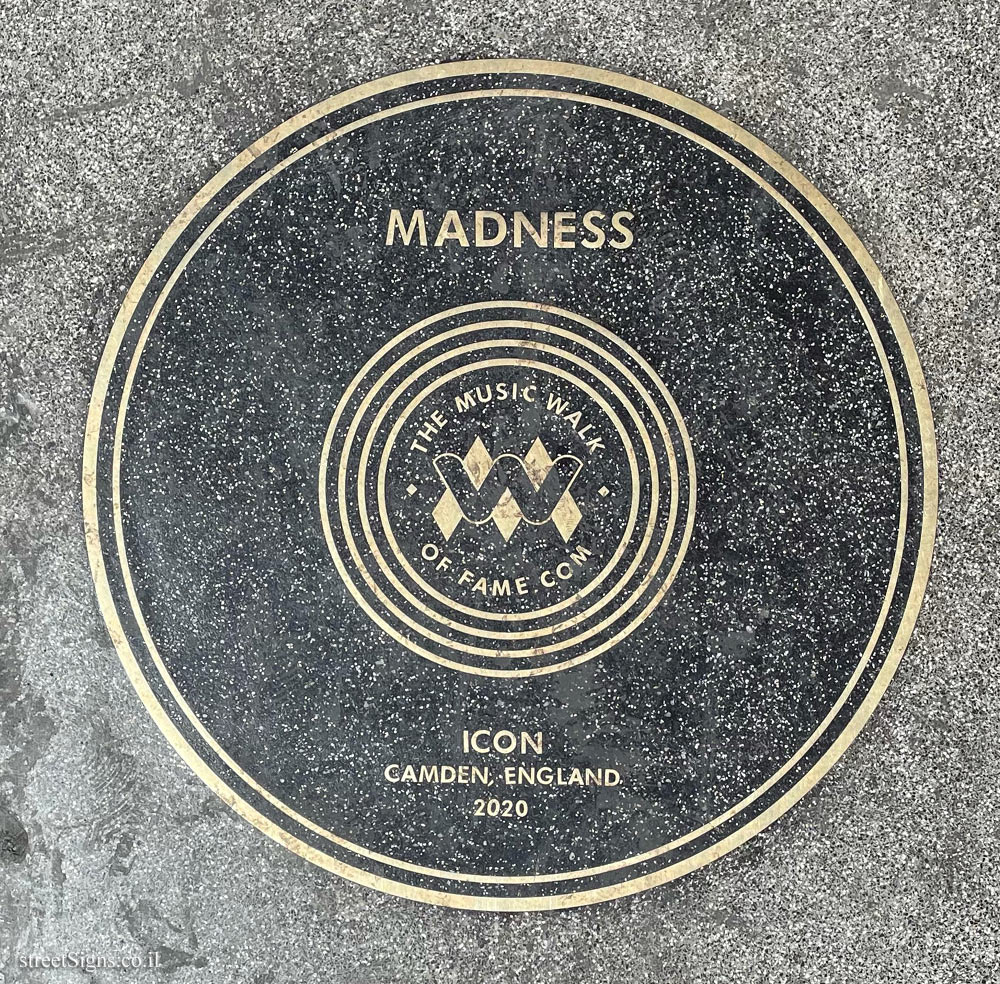
להקת המאדנס בריטניה
לונדון
הצלליות בריטניה
לונדון – הבית בו התגורר המתופף טוני מיהן
לאונרד כהן קנדה
ניו יורק – מלון צ’לסי – מקום בו התאכסן, ואף כתב שיר עליו
פינק פלויד בריטניה
לונדון – המקום בו למדו ובו הקימו את להקת הרוק
להקת הקינקס בריטניה
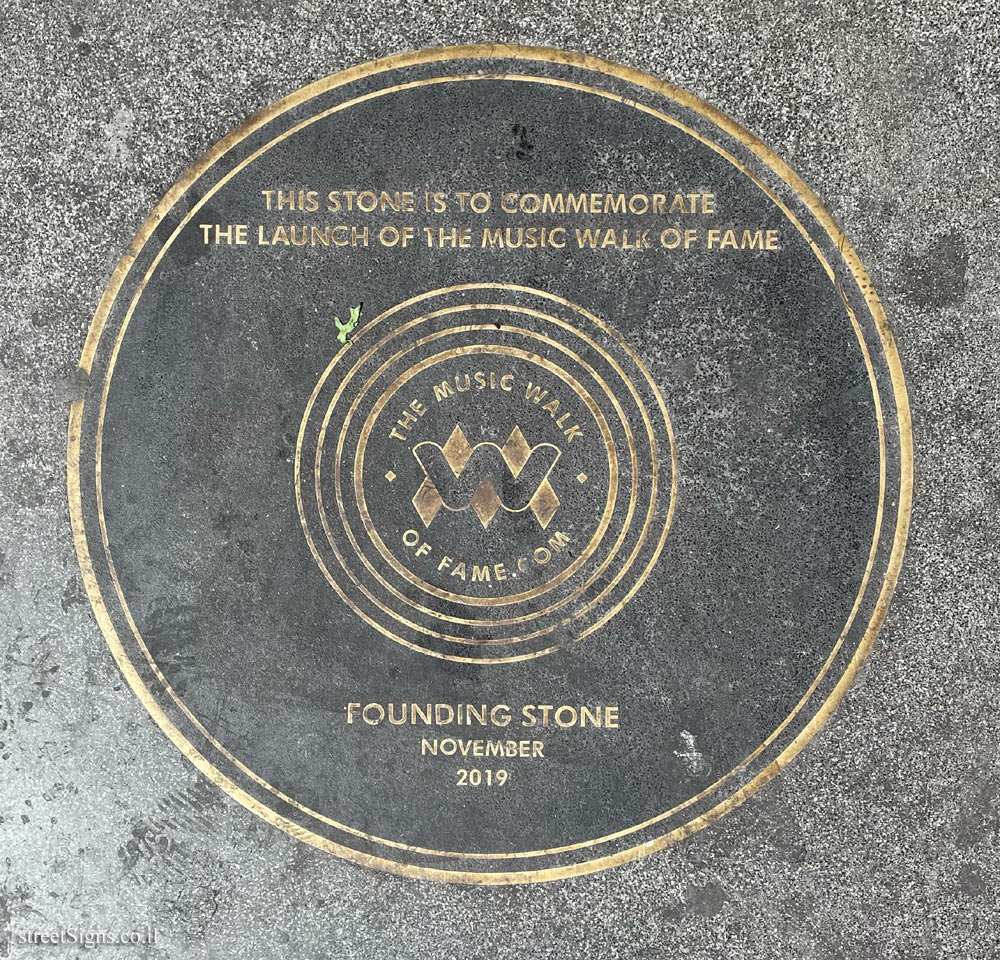
לונדון – שביל התהילה של המוזיקה
מייקל ג’קסון ארצות הברית
ניו יורק - מסלול התהילה של תיאטרון אפולו
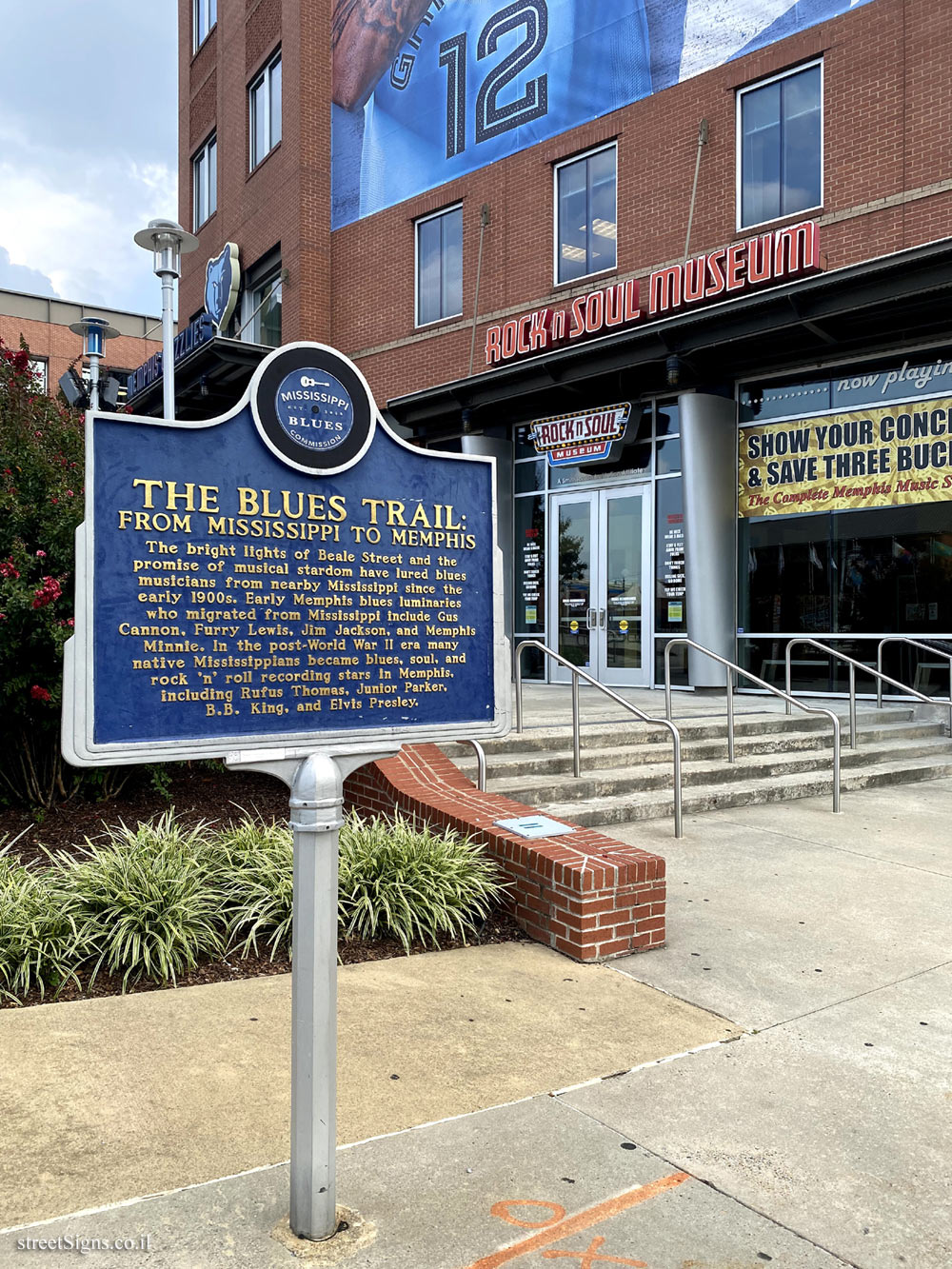
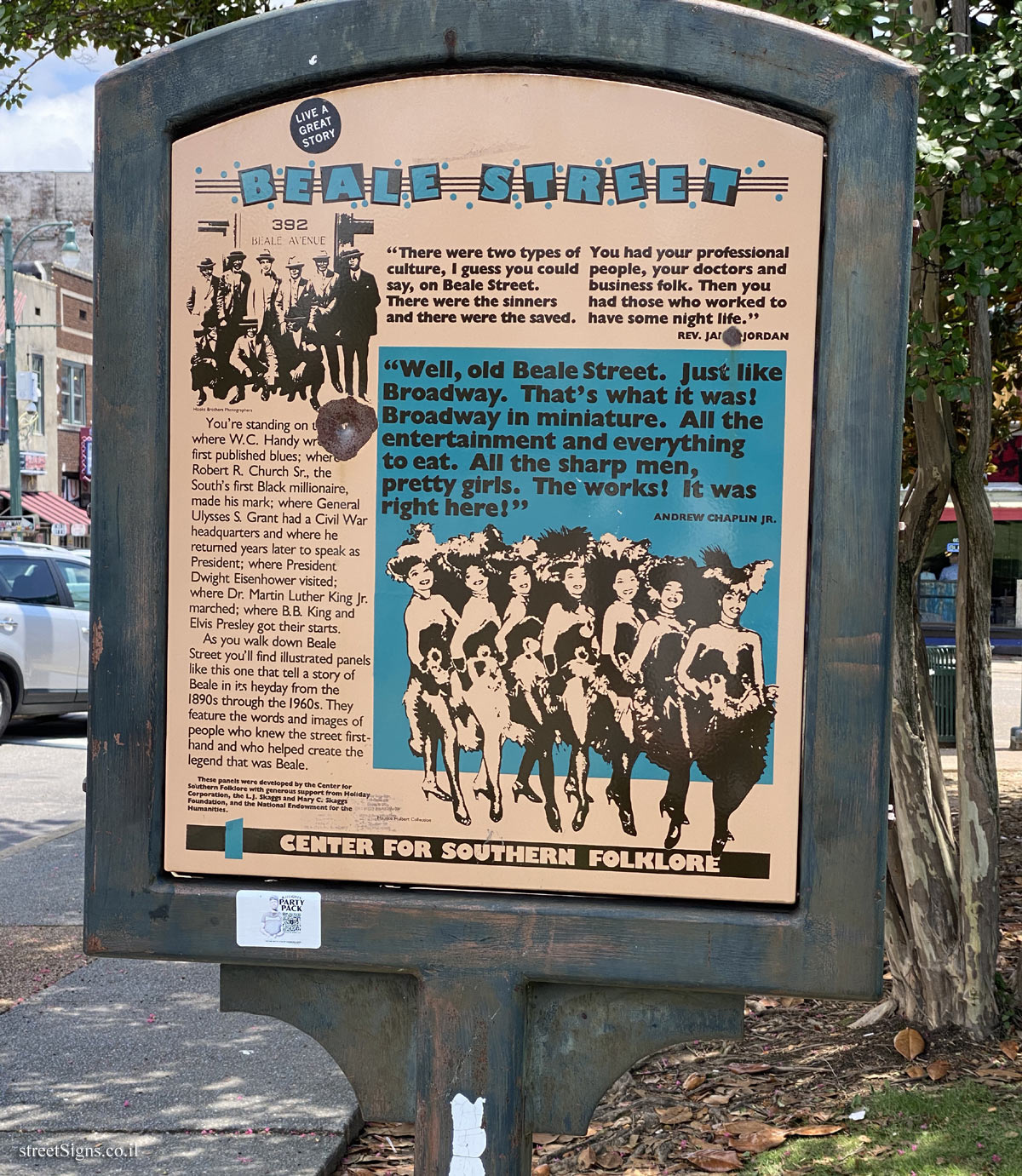
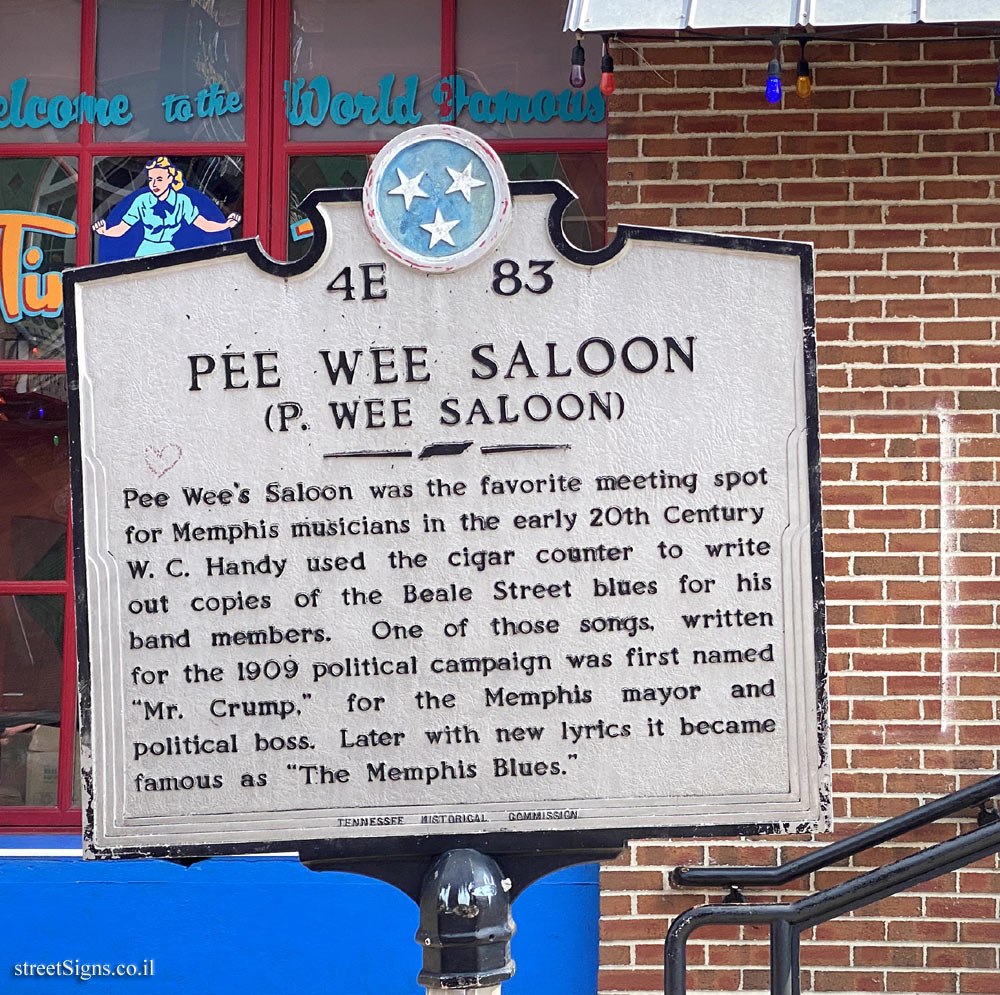
בלוז מוזיקה שמקורה בשירת העבדים האפריקנים בארצות הברית. סגנון שעם שחרור העבדים החל להתפשט ברחבי ארצות הברית והיה בסיס לרוק אנד רול. אחד מגדולי המפיקים בסגנון זה הוא קנת’ אדמונדס (בייביפייס)
ממפיס – מסלול הבלוז של מיסיסיפי
ממפיס – הסלון של Pee Wee מסלול התהילה של תיאטרון אפולו
ג’אז מוזיקה שמקורה בארצות הברית בתחילת המאה העשרים. מוזיקה אפרו-אמריקנית הכוללת שימוש רב בכלי נשיפה בנוסף לכלים אחרים
פריז – מיילס דייוויס
ניו יורק - צ’ארלי פארקר
ניו יורק - אלה פיצג’רלד
ניו יורק - בילי הולידיי
ניו יורק - לואי ארמסטרונג
רגאיי מוזיקה שמקורה בג’מייקה שהושפעה מג’אז ובלוז. המוזיקה הוכרה כמורשת עולמית.
לונדון - בוב מארלי
מחזות זמר הצגת תיאטרון המשלבת מוזיקה, ריקוד ומשחק. סגנון זה החל לפרוח בשנות הארבעים של המאה העשרים, כאשר המחזמר הידוע ביותר מתקופה זאת הוא "סיפור הפרברים" אותו הלחין ליאונרד ברנשטיין. עוד נודעו המחזמרים "כנר על הגג", גבירתי הנאווה", "פנטום האופרה" ועוד. המחזמר המחזיק בשיא (עד לכתיבת ערך זה בשנת 2025) כמחזמר המוצג לאורך התקופה הארוכה ביותר, הוא "עלובי החיים" (Les Misérables) המציג בלונדון 40 שנה!
פרסי גראמי פרס הניתן על ידי האקדמיה לאמנויות ומדעי ההקלטה בארצות הברית. ניתן עבור הישגים מוזיקליים בתחומים שונים. נחשב לפרס החשוב ביותר בתעשיית המוזיקה.
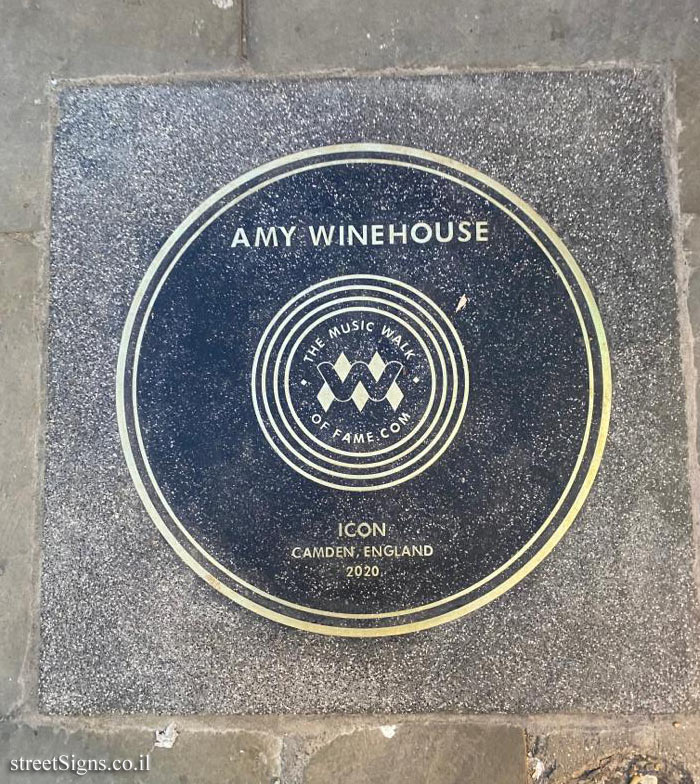
לונדון – איימי ויינהאוס
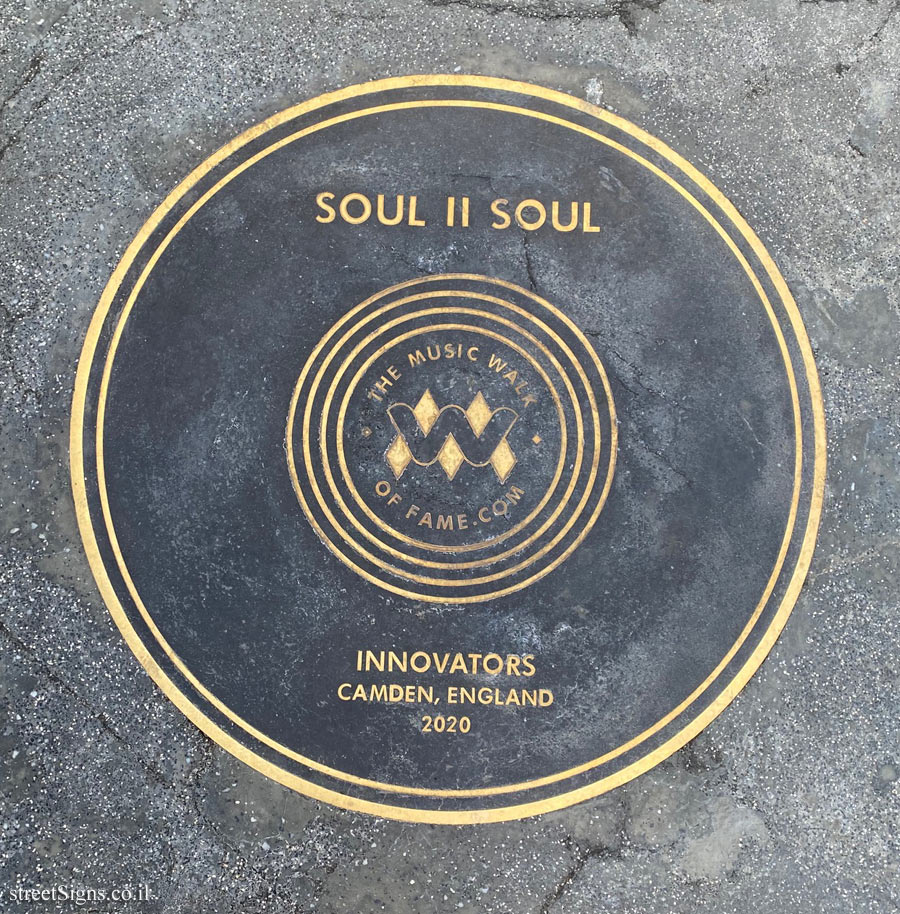
לונדון – Soul II Soul
לונדון – להקת המי
לונדון – דיוויד בואי
ניו יורק - סמוקי רובינסון
ניו יורק - מרי ג’יי בלייג’
ניו יורק - ליונל ריצ’י
ניו יורק - בייביפייס
ניו יורק - The Temptations
ניו יורק - מייקל ג’קסון
ניו יורק - אריתה פרנקלין
ניו יורק - ליטל ריצ’רד
ניו יורק - צ’ארלי פארקר
ניו יורק - אטה ג’יימס
ניו יורק - סטיבי וונדר
ניו יורק - קווינסי ג’ונס
ניו יורק - פרינס
ניו יורק - אלה פיצג’רלד
ניו יורק - ג’יימס בראון
ניו יורק - צ’אקה קאן
ניו יורק - בילי הולידיי
ניו יורק - The Isley Brothers
ניו יורק - סליה קרוז
ניו יורק - לואי ארמסטרונג
ניו יורק - דיון וורוויק
בתי ספר ואקדמיות
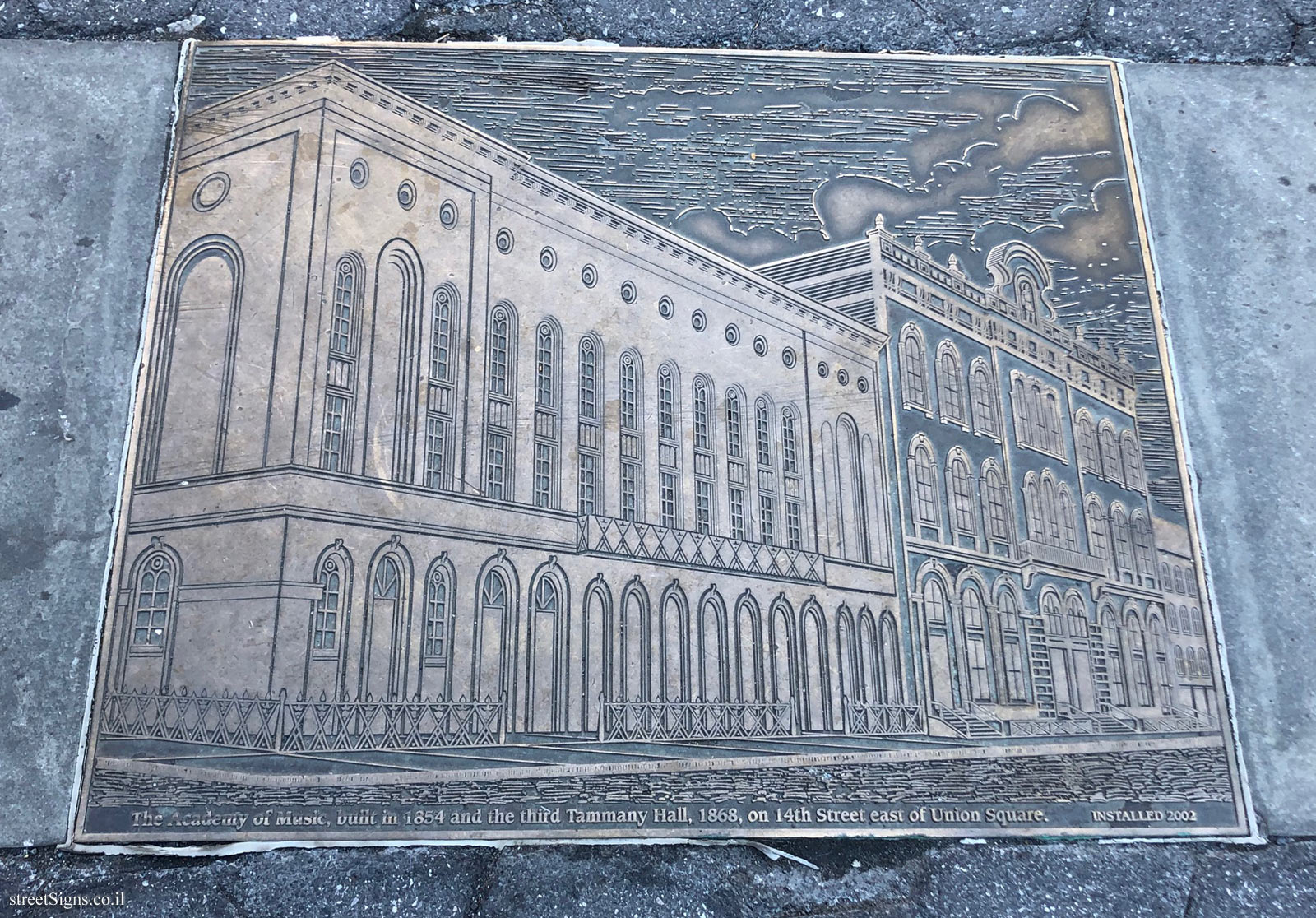
ניו יורק – האקדמיה למוזיקה ומשכן האופרה של ניו יורק עד שנת 1926
המקומות באתר המתייחסים למונח מוזיקה
(1-25 מתוך 145)




 עולמות אפשריים בע"מ
  © 2019-2026

 לחצו למפה בה מוצגים כל השלטים הכוללים את התווית מוזיקה
 לחצו למסלול לאורך התגית מוזיקה