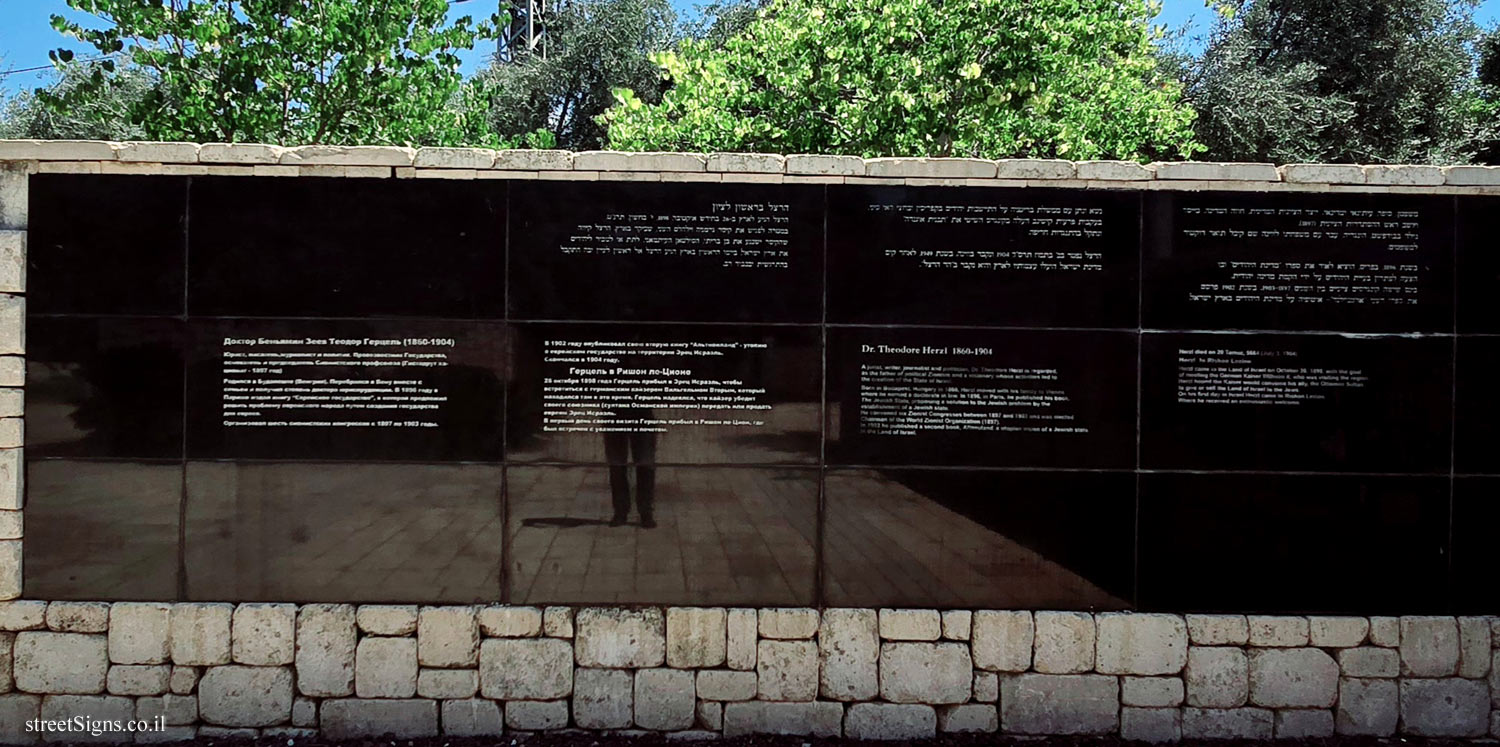
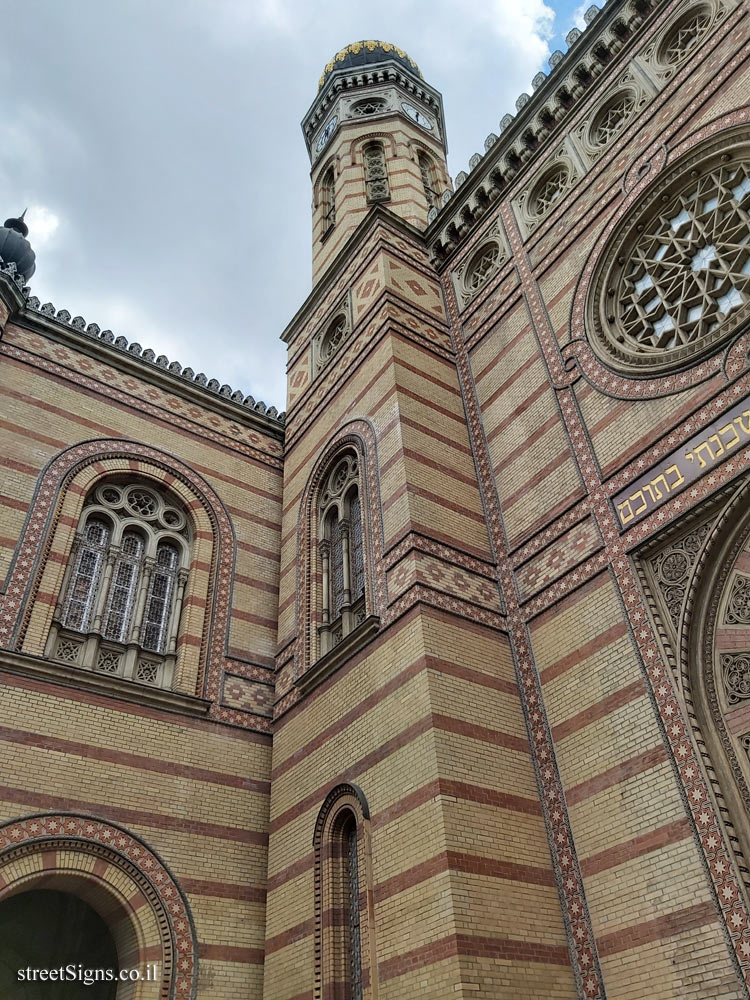
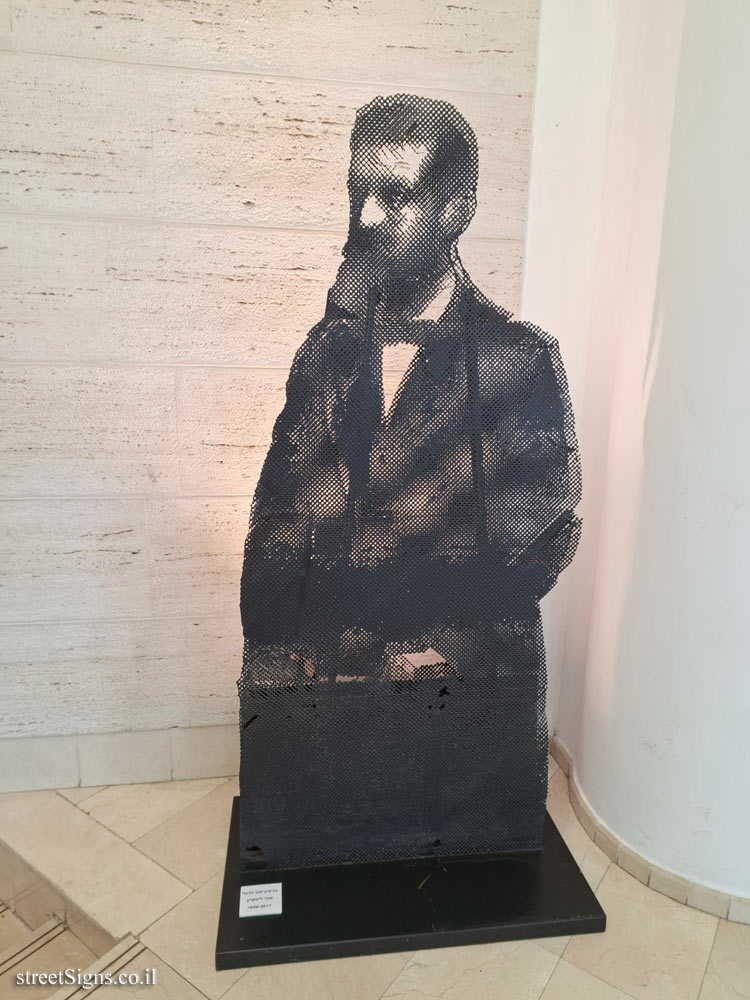
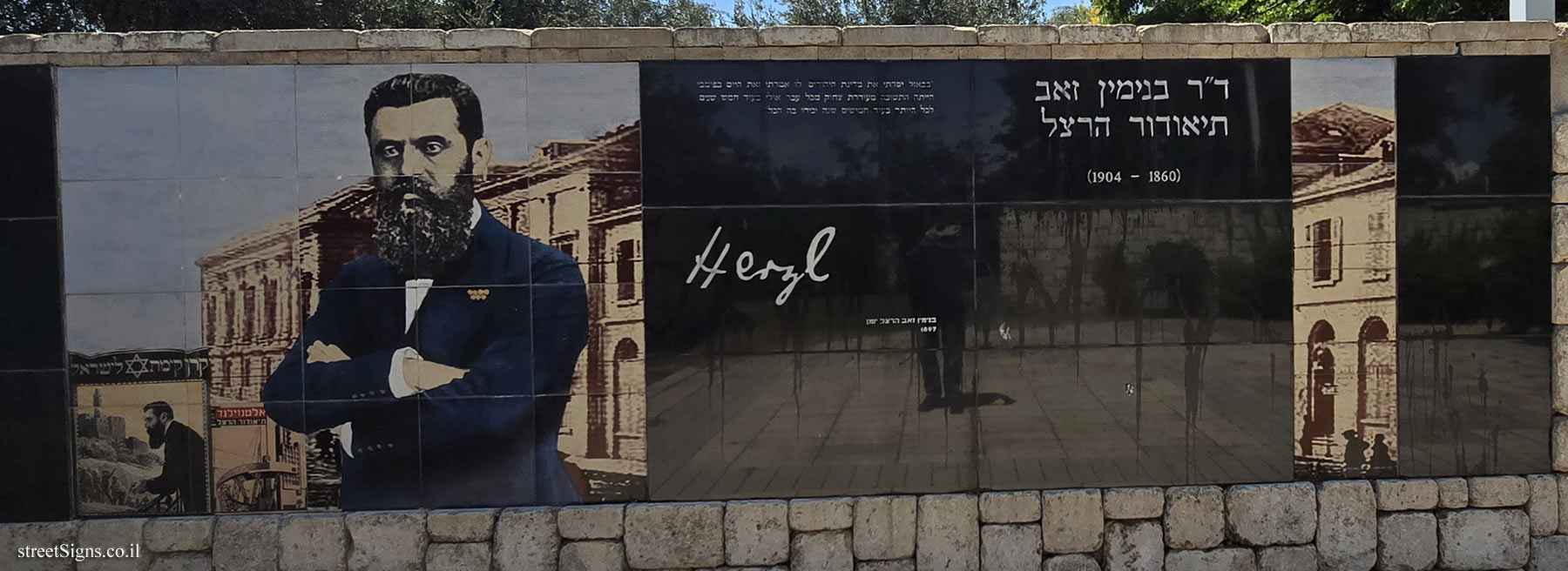
בנימין זאב הרצל (או תאודור הרצל) (1860-1904) – חוזה מדינת היהודים היא מדינת ישראל. הרצל נולד בבודפשט, הונגריה (פשט לפני האיחוד עם בודה), בבית הסמוך לבית הכנסת הגדול של בודפשט
, הוריו שהיו יהודים ליברליים, ביקרו בבית כנסת זה, ובו חגג את הבר-מצווה שלו.
בשנת 1878 עברה משפחתו של הרצל לווינה בעיקר כדי לאפשר להרצל לימודים אקדמיים ברמה גבוהה. באותה שנה החל הרצל ללמוד משפטים באוניברסיטת וינה שם נחשף לראשונה לאנטישמיות וגזענות נגד יהודים. בשנת 1884 זכה לתואר דוקטור למשפטים והחל לעבוד בבית המשפט המחוזי בווינה. בשנת 1885 ויתר על אזרחותו ההונגרית והפך להיות אזרח אוסטרי.
הרצל עסק במקצוע המשפט שנה אחת בלבד, והחל משנת 1886 החל לכתוב מאמרים, פיליטונים ויומני מסע שפורסמו בעיתונים. בנוסף כתב מסות, סיפורים קצרים ומחזות שהוצגו בגרמניה ובאוסטריה. בשנת 1892 עבר לפריז, צרפת ושם היה שליח העיתון האוסטרי "נויה פרייה פרסה" (Neue Freie Presse) בפריז.
להרצל היו רעיונות שונים בדבר עתידו של העם היהודי, וחלקם היו קיצוניים עד כדי התנצרות כללית של היהודים כדי להילחם בנגע האנטישמיות.
הרצל סיקר בעיתונו את משפט דרייפוס, בו הואשם הקצין היהודי אלפרד דרייפוס בריגול ובבגידה, האשמות שווא על רקע אנטישמי
. בעקבות המשפט ואירועים נוספים, התחזקה אצל הרצל הדעה כי הפתרון לשנאת היהודים הוא הקמת מדינה ליהודים מחוץ לגבולות אירופה. כדי לממן מדינה זו פנה למספר בעלי הון יהודים, ביניהם הברון הירש ומשפחת רוטשילד אך לא נחל הצלחה גדולה בפניות אלה.
בשנת 1896 ריכז את רעיונותיו בספר "מדינת היהודים" (Der Judenstaat), אותו סיים לכתוב בשהותו בווינה
. הרעיונות שבספר די הפחידו את הקהילה היהודית, והתנגדות לו הייתה בגרמניה ובאוסטריה וגם בארץ לידתו – הונגריה. הרצל לא אמר נואש, והמשיך לקדם את הרעיון של מדינה יהודית, הוא נפגש עם מנהיגים מארצות שונות (פרידריך הראשון, הדוכס הגדול של באדן, הווזיר הגדול, ראש ממשלת האימפריה העות’מנאית חליל ריפאט פחה) ועם מנהיגים יהודים (הברון אדמונד ג’יימס דה רוטשילד). בעקבות פגישות אלה, החליט לקדם את רעיון הקונגרס הציוני ואת תנועת הציונות.
בשנת 1897 הקים את העיתון "די ולט" (העולם) שכל מטרתו הייתה לקדם את הרעיון הציוני, באותה שנה כינס את הקונגרס הציוני העולמי הראשון בעיר בזל, שוויץ, קונגרס שלאחריו יצאה הקריאה המפורסמת של הרצל "בבזל ייסדתי את מדינת היהודים". שנה מאוחר יותר התכנס הקונגרס הציוני העולמי השני (שוב בעיר בזל), בקונגרס זה הוחלט על הקמת בנק יהודי ציוני, וכן נדון גם ביקורו הקרוב של הקיסר הגרמני וילהלם השני בישראל. הרצל הצליח להיפגש עם הקיסר 3 פעמים, בקונסטנטינופול (לפני הגיעו לישראל), במקווה ישראל
ובירושלים
וניסה בפגישותיו לשכנע את הקיסר שיפעיל את השפעתו על הסולטאן הטורקי כדי שהאחרון יתיר התיישבות יהודית בארץ ישראל. (עוד על הביקור בסעיף הבא, וב: ביקורו של הקיסר וילהלם השני בישראל).
בשנים 1899-1900 התכנסו הקונגרסים הציוניים השלישי והרביעי (בבזל ובלונדון בהתאמה), בשנת 1901 הצליח הרצל להיפגש בקושטא עם הסולטאן הטורקי, פגישה בה ניסה הרצל לשכנע את הסולטאן לפתוח את שערי ארץ ישראל בפני יהודים.
בשנת 1901 כונס הקונגרס הציוני החמישי בבזל (תמונת הרצל על מרפסת מלונו בעיר בזל בזמן קונגרס זה, היא אולי התמונה המזוהה ביותר עם הרצל). בשנת 1902 הוזמן שוב לפגישה עם הסולטאן הטורקי, הפעם במעמד של ראש התנועה הציונית. בפגישה זו הסכים הסולטאן להתיישבות יהודית בארץ ישראל תמורת כיסוי חובותיה של טורקיה על ידי בעלי הון יהודים.
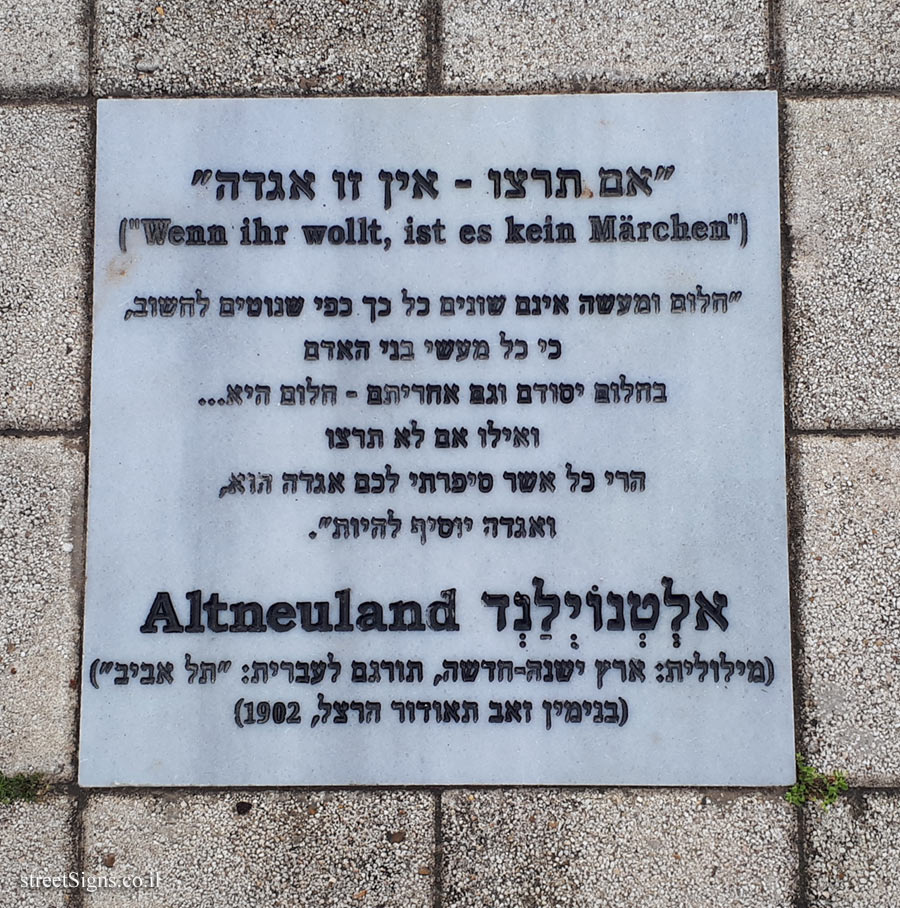
בשנת 1902 סיים הרצל את כתיבתו של הרומן "אלטנוילנד" (ארץ ישנה-חדשה) בו תיאר חזון אוטופי של מדינה יהודית. המשפט הפותח את הספר "אם תרצו אין זו אגדה" הפך למוטו המזוהה עם הרצל
. באותה שנה נסע שוב לקושטא, כדי לדון עם הסולטאן, בדבר התנאים להתיישבות יהודים בארץ ישראל.
הרצל המשיך לנסות להיפגש עם מנהיגי עולם, בניסיון למצוא בית לעם היהודי. בשנת 1902 נפגש עם שר המושבות הבריטי ג’וזף צ’מברלין וניסה לשכנעו לאפשר הקמת מדינה יהודית בקפריסין ובחצי האי סיני שהיו תחת שליטה בריטית. צ’מברלין הציע לו את אוגנדה, הצעה אותה דחה הרצל בגלל המרחק מארץ ישראל. בשנת 1903 לאחר פרעות קישינב, היה מוכן הרצל לשקול גם את "תוכנית אוגדה" (ומקומות נוספים כמו קונגו או מוזמביק). באותה שנה התכנס הקונגרס הציוני הששי (שוב בעיר באזל), ובו הובעה התנגדות רבה של הצירים לתוכנית אוגנדה.
שנה מאוחר יותר המשיך הרצל להיפגש עם מנהיגים, ביניהם מלך איטליה ויטוריו עמנואל השלישי והאפיפיור פיוס העשירי בניסיונותיו לתמוך בהתיישבות יהודית בארץ ישראל.
באותה שנה סבל הרצל מבריאות רופפת, וב- 3 ביולי 1904 נפטר מסיבוכים של דלקת ריאות.
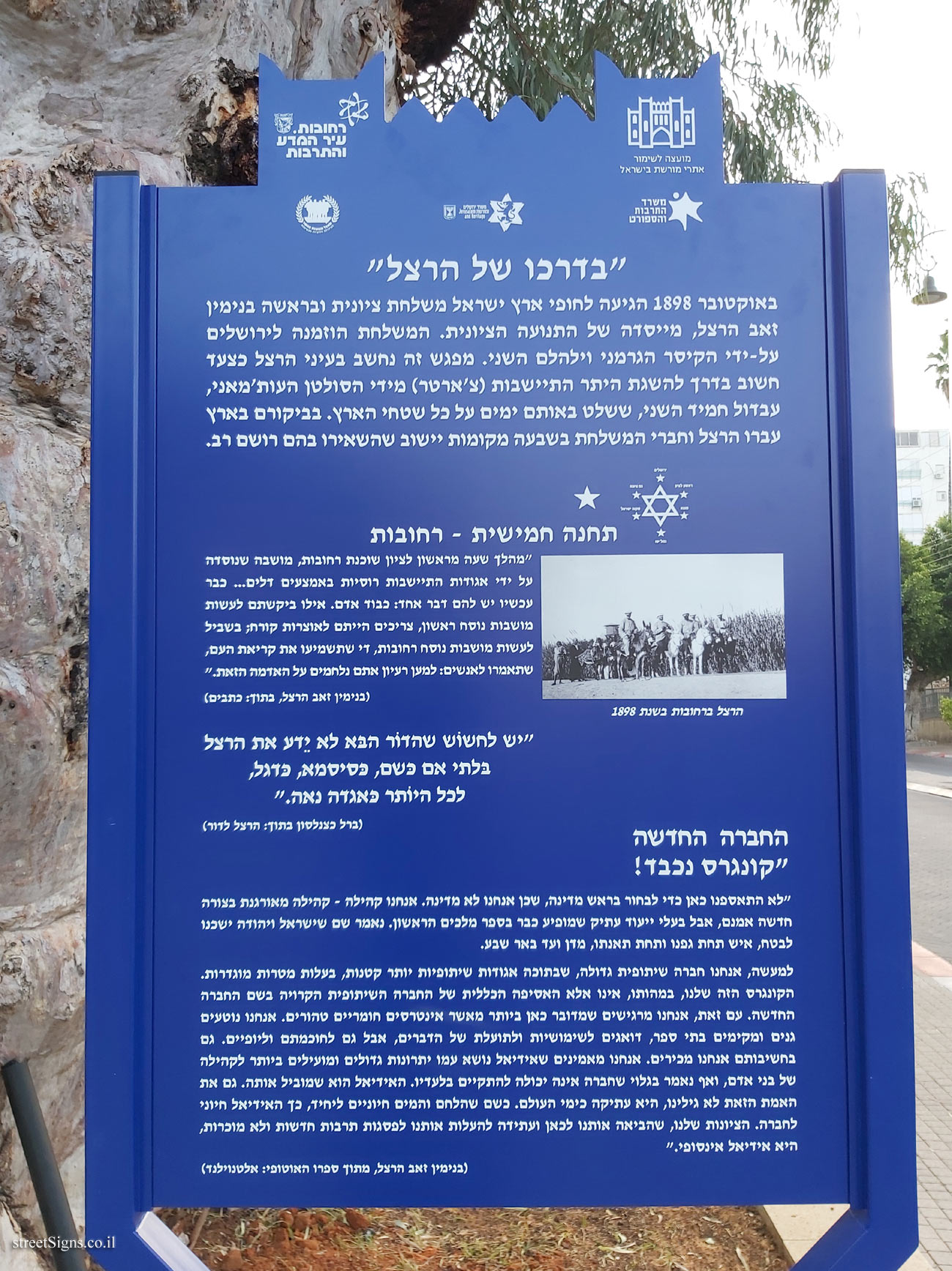
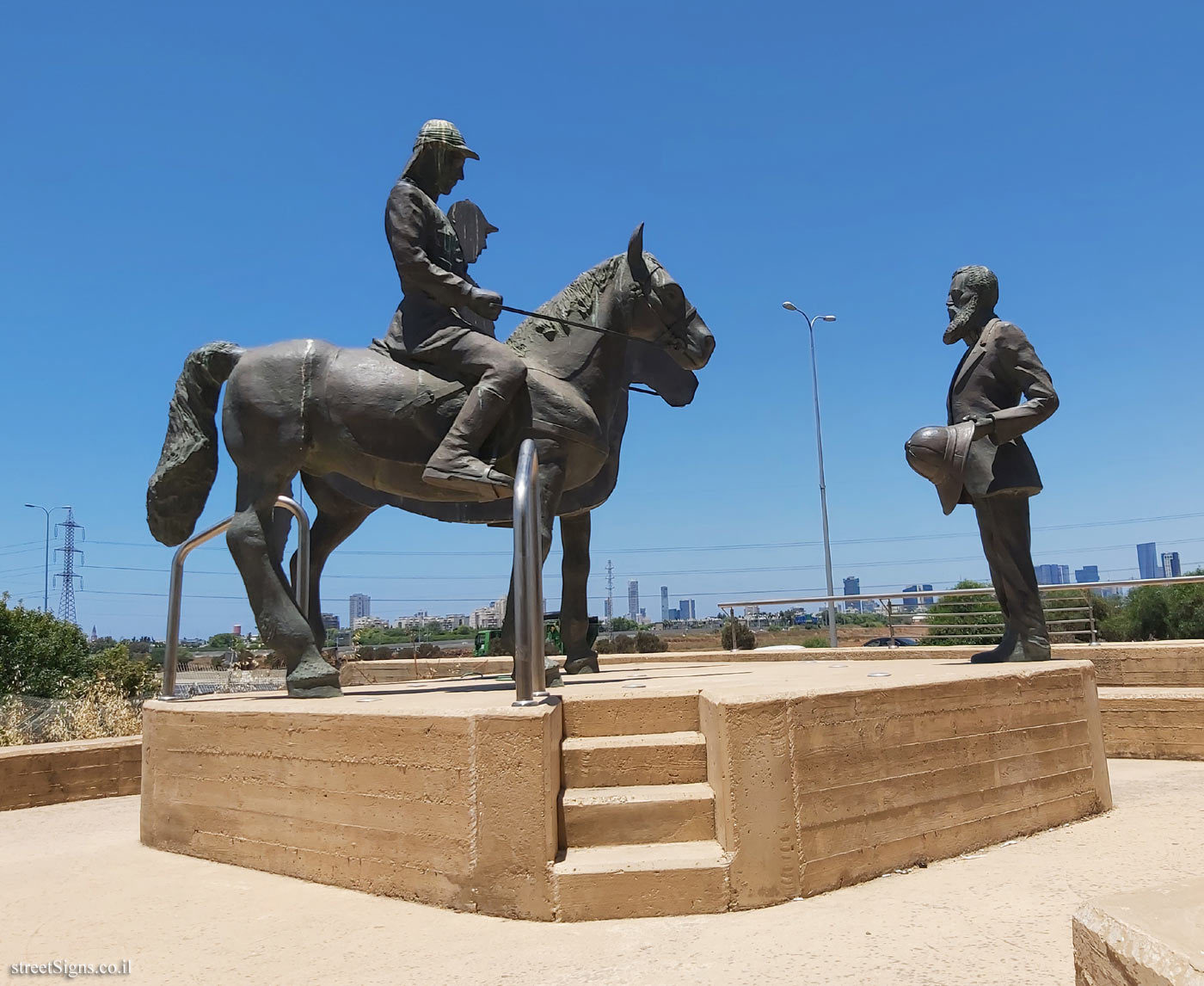
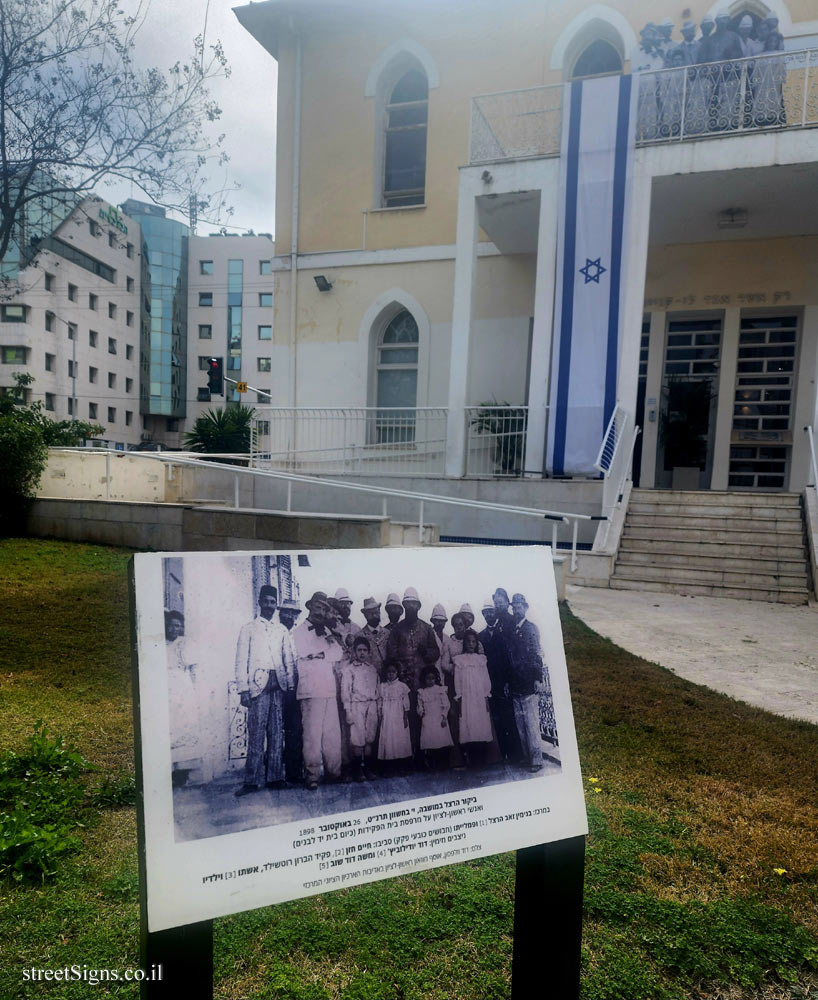
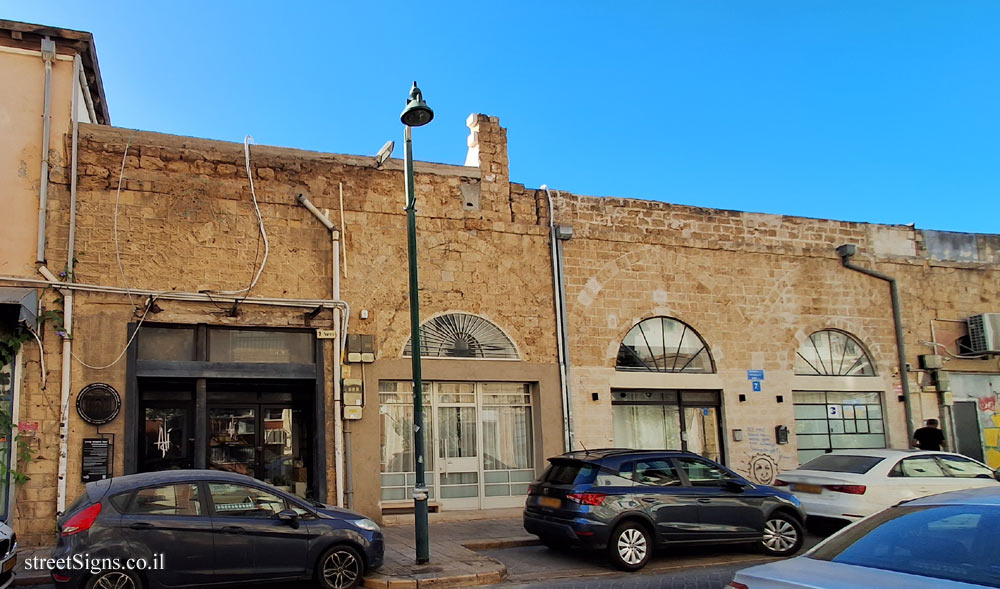
ביקור של הרצל בארץ ישראל ופגישה עם הקיסר הגרמני וילהלם השני בחודשים אוקטובר-נובמבר 1898, הגיע הקיסר לביקור בישראל, הרצל הגיע גם לישראל במטרה לפגוש את הקיסר. הרצל הגיע לנמל יפו מקושטא, טורקיה
והתאכסן במלון פלשתינה קמיניץ
,
. מיפו נסע למקווה ישראל
שם נפגש פגישה קצרה עם הקיסר
. משם המשיך לראשון לציון
,
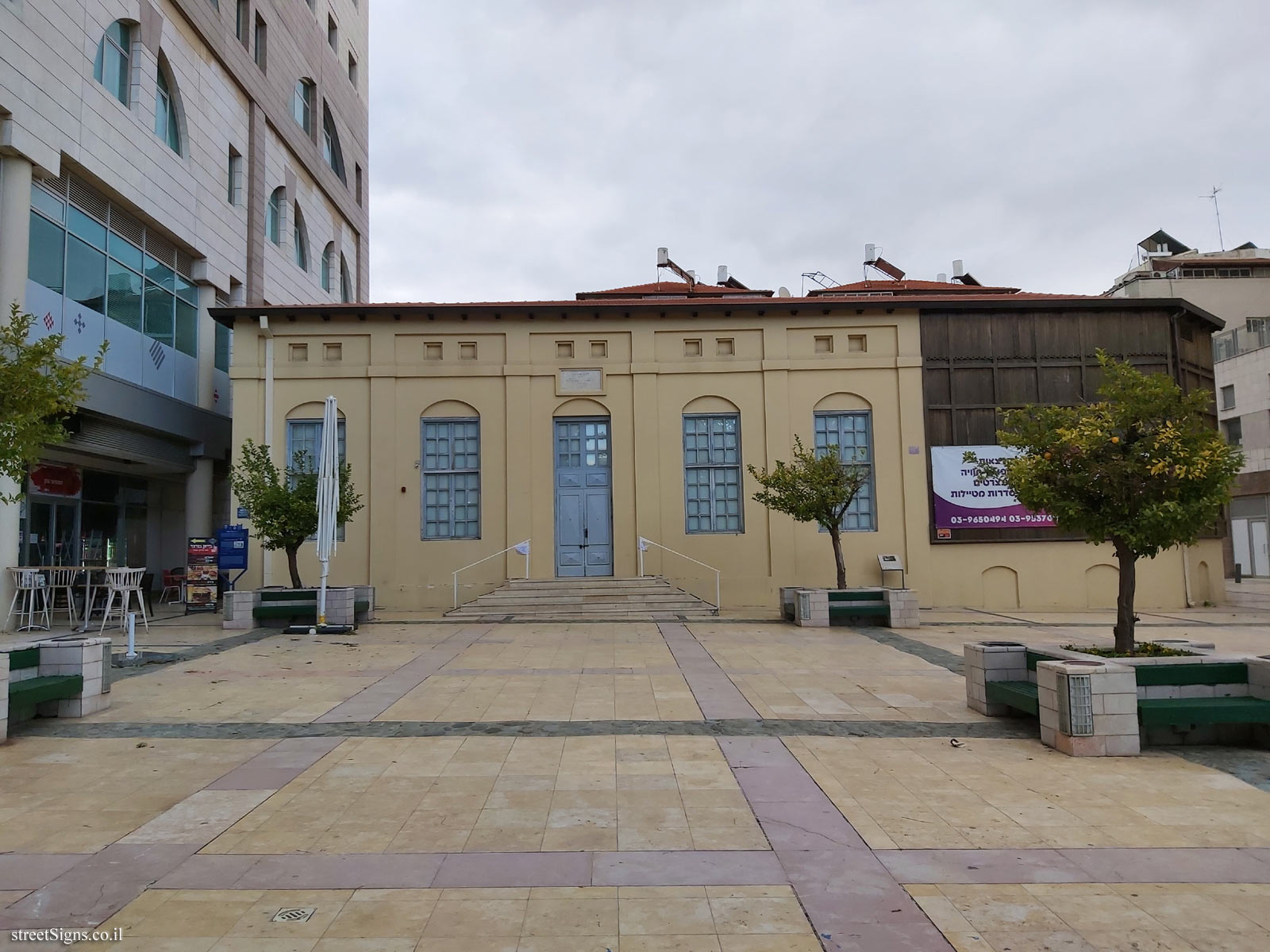
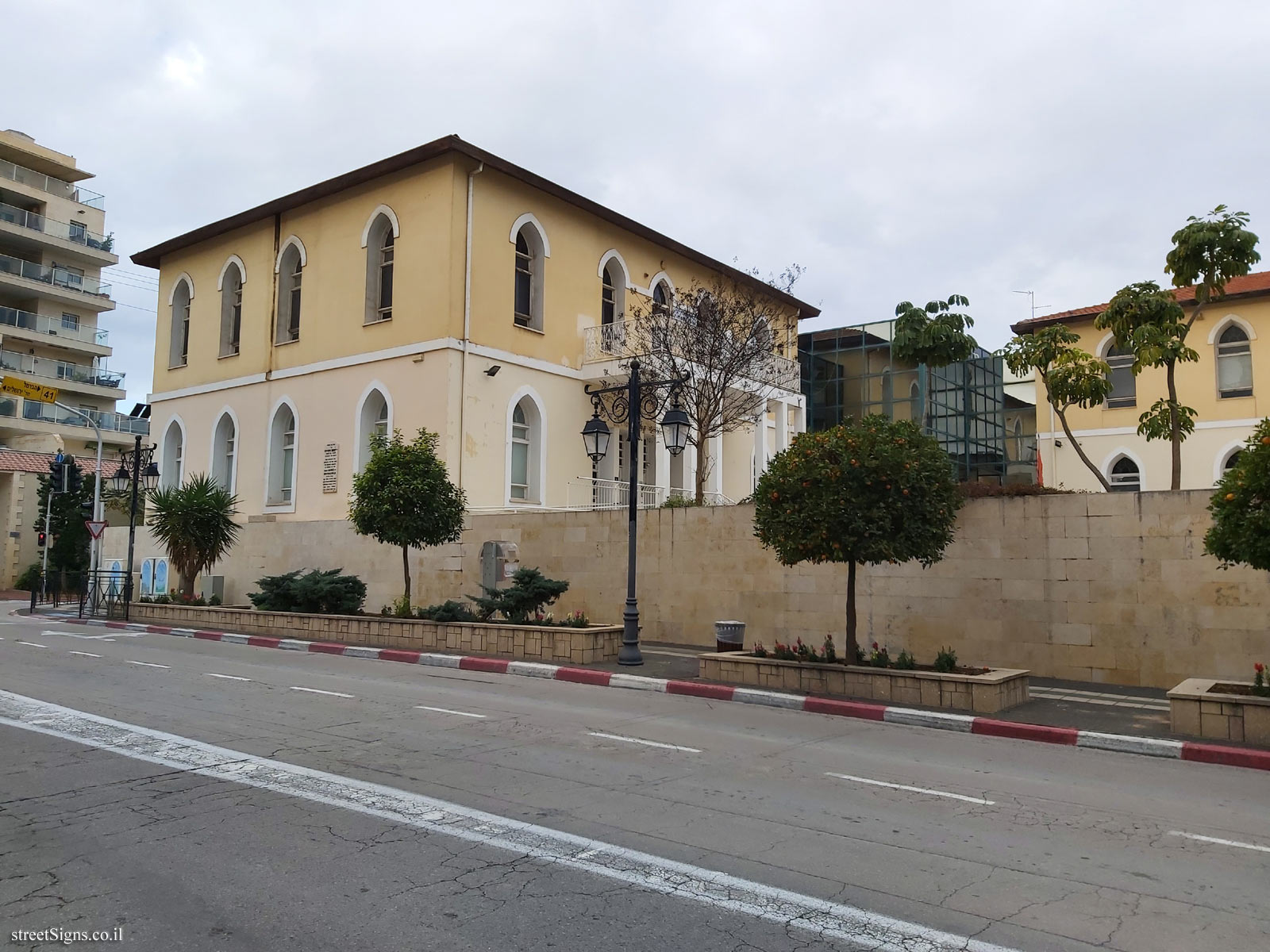
(בה שהה בבית הפקידות
), נס ציונה
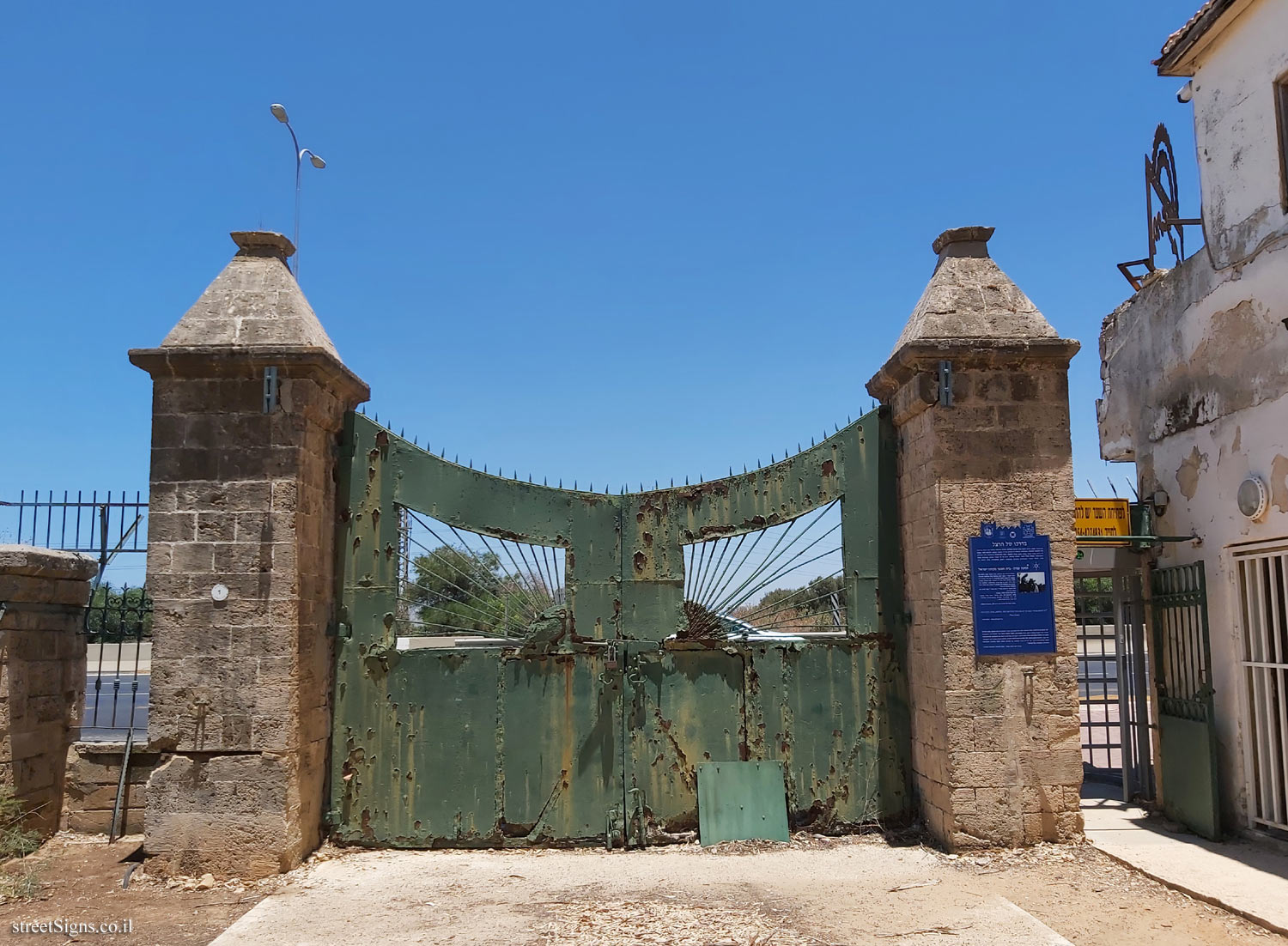
, רחובות
, מוצא עילית וסיום הביקור בירושלים
בו נפגש שוב עם הקיסר הגרמני.
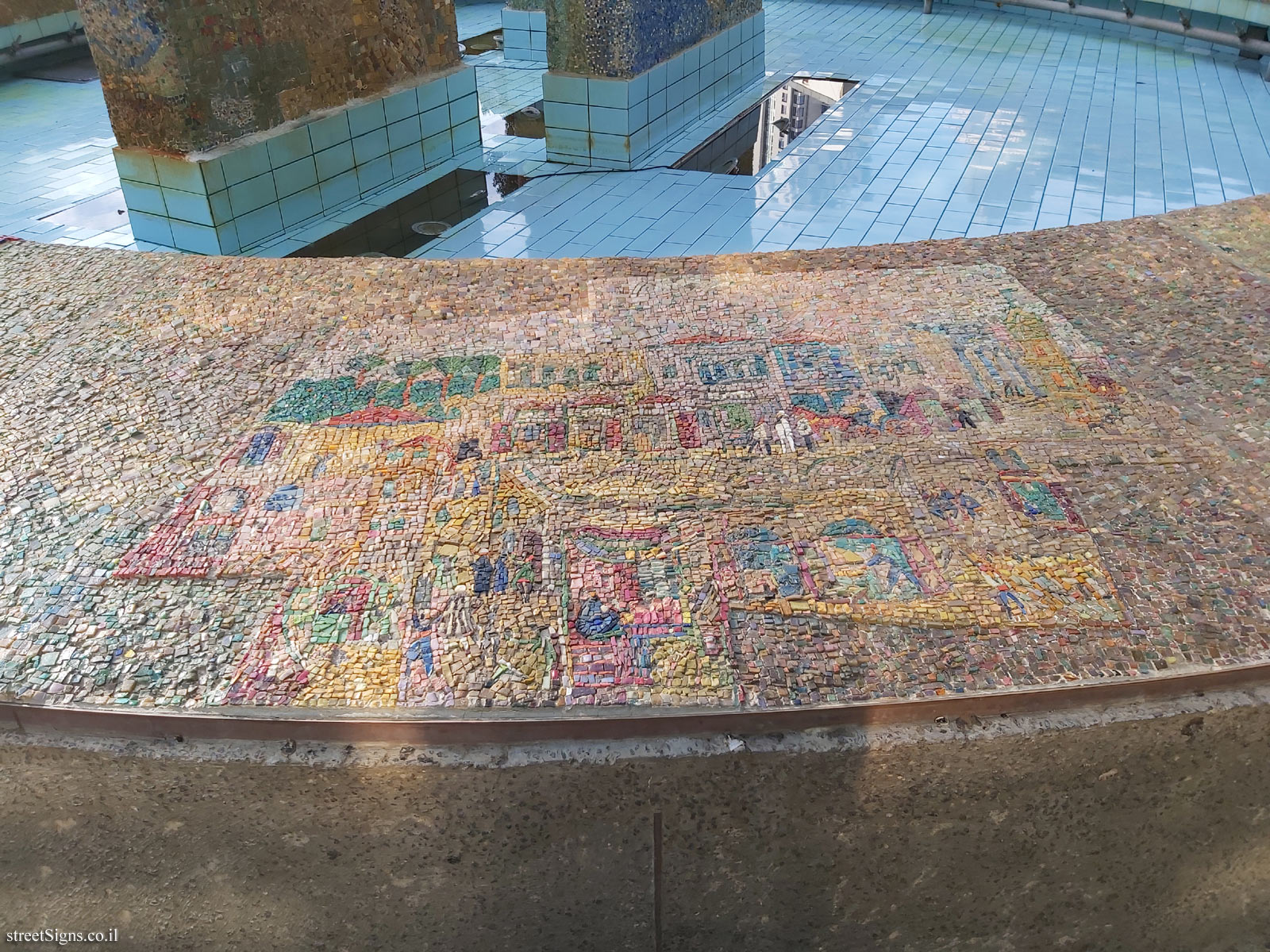
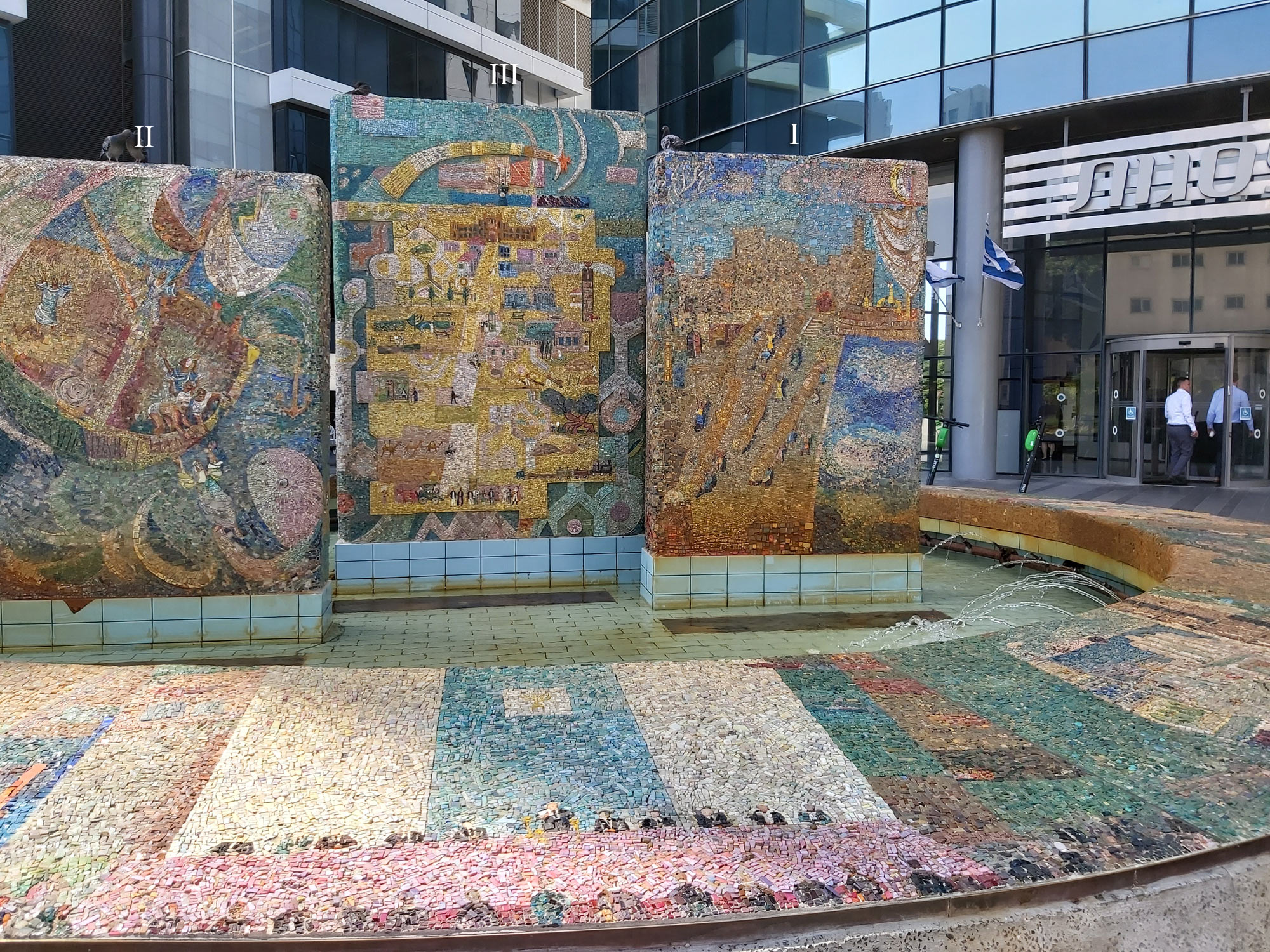
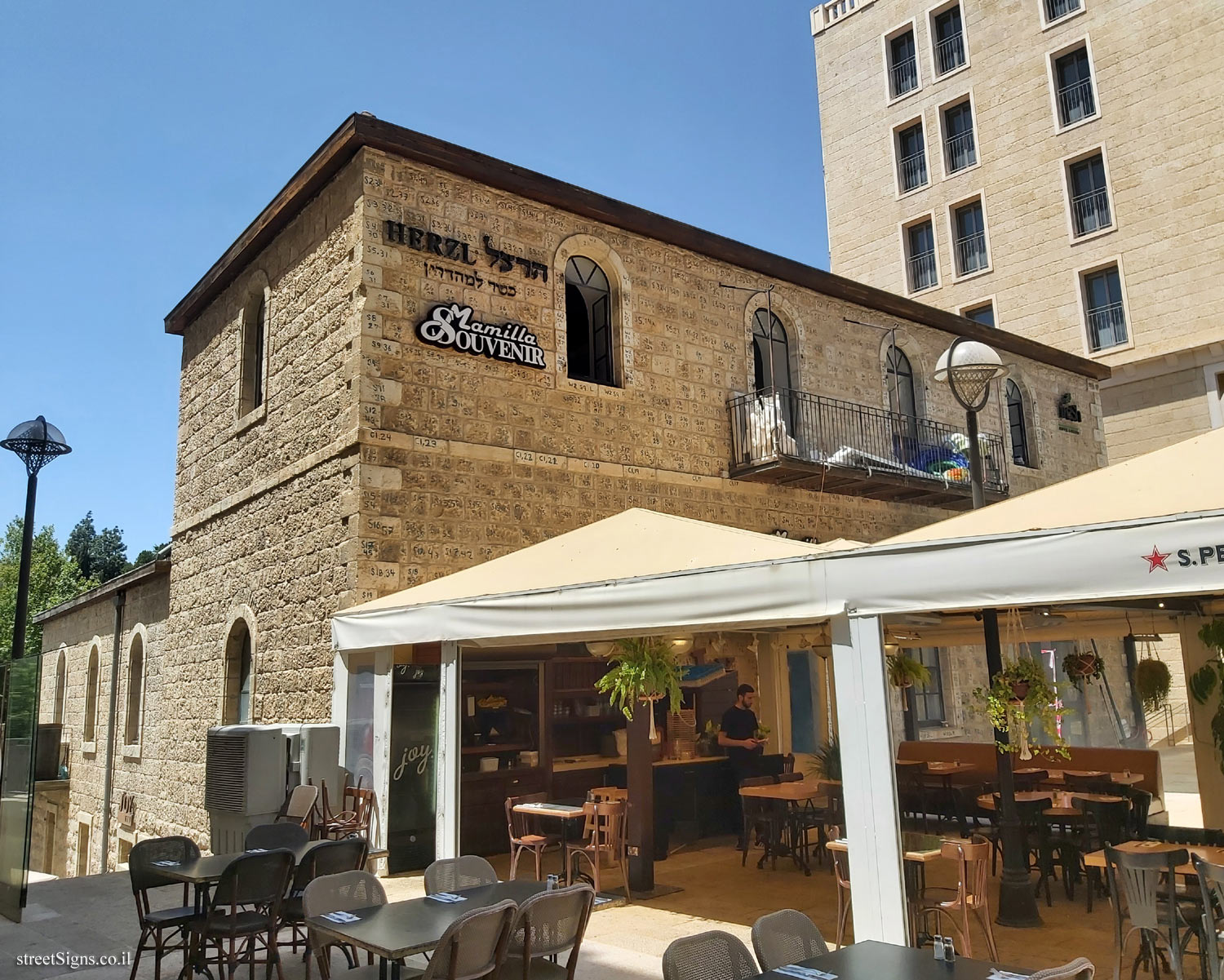
הנצחה הרצל מונצח במקומות רבים בישראל ובעולם. כמעט בכל עיר בישראל אחד הרחובות הראשיים קרוי "רחוב הרצל"
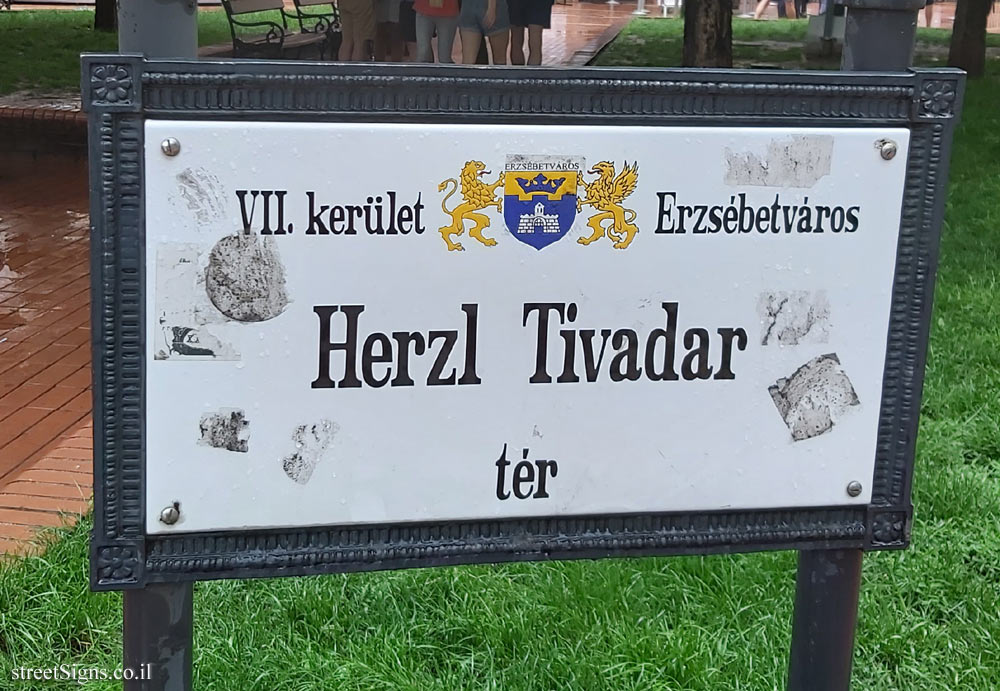
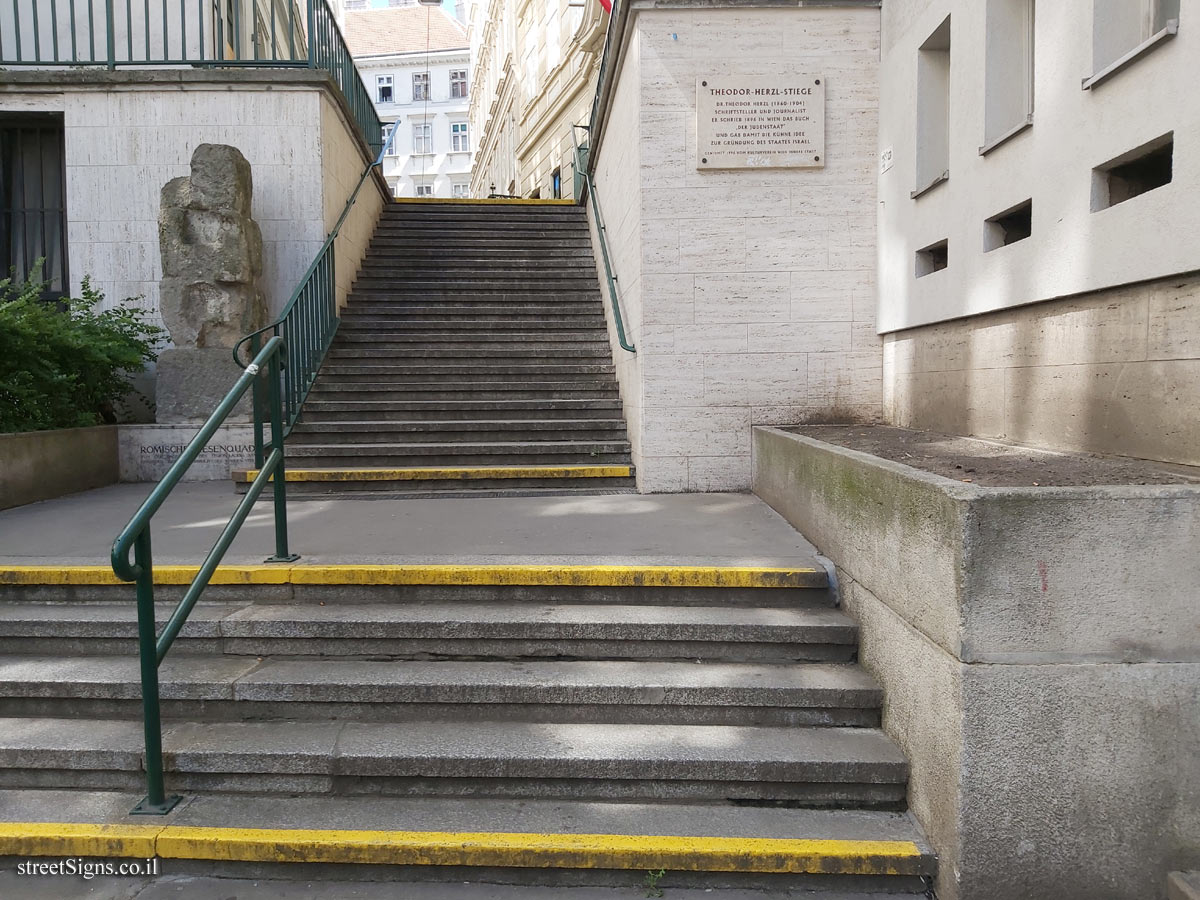
, גם בארצות אחרות קרויים מקומות על שמו, כך בבודפשט העיר בה נולד, נמצאת כיכר תאודור הרצל | 512|, ובווינה, העיר אליה עבר, נמצאות מדרגות תאודור הרצל
גימנסיה הרצליה – בית הספר העברי הראשון קרויה על שמו
,
, כך גם העיר הרצליה, שסמל העיר כולל 7 כוכבים, רמז לדגל אותו חזה הרצל למדינת היהודים (7 כוכבי זהב)







 עולמות אפשריים בע"מ
  © 2019-2026

 לחצו למפה בה מוצגים כל השלטים הכוללים את התווית בנימין זאב הרצל
 לחצו למסלול לאורך התגית בנימין זאב הרצל